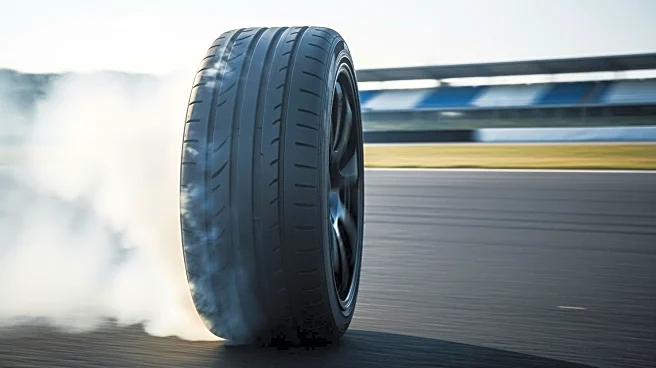

Drifting is a captivating motorsport technique that involves a driver intentionally oversteering to lose traction while maintaining control of the vehicle. This technique has evolved into a competitive
sport, where drivers showcase their skills in controlling the car through corners with precision and style. The art of drifting is not just about speed; it’s about the finesse and mastery of various techniques that make it a thrilling spectacle.
Techniques of Drifting
Drifting is traditionally performed using several methods, each requiring a unique approach to achieve the desired effect. One common technique is clutch kicking, where the driver rapidly disengages and re-engages the clutch to upset the grip of the rear wheels. This method is often used to initiate a drift by causing the rear wheels to lose traction.
Another technique is weight transfer, which involves shifting the car’s weight to induce oversteer. Techniques such as the Scandinavian flick or lift-off oversteer are employed to achieve this. These methods rely on the driver’s ability to manipulate the car’s balance and momentum to maintain control during a drift.
The Role of the Handbrake
The handbrake turn is another essential technique in the drifter’s arsenal. By pulling the handbrake, the rear wheels lock up, causing the car to slide sideways. This technique is particularly useful for initiating a drift in tight corners or when a quick change in direction is needed.
Drifters often use a combination of these techniques to navigate through a series of corners, showcasing their ability to control the car’s movement with precision. The skill lies in maintaining the drift while keeping the car on the intended line, a task that requires both practice and intuition.
The Evolution of Drifting Techniques
Over the years, drifting has evolved from a street racing technique to a professional motorsport discipline. The development of drifting techniques has been influenced by advancements in car technology and the creativity of drivers. As the sport gained popularity, drivers began experimenting with different methods to enhance their performance and style.
Today, drifting competitions are judged based on speed, angle, showmanship, and the line taken through corners. Drivers are constantly pushing the boundaries of what is possible, using innovative techniques to impress judges and spectators alike. The art of drifting continues to evolve, with drivers refining their skills and adapting to new challenges.
Drifting is more than just a motorsport; it is a demonstration of skill, creativity, and control. The techniques used in drifting are a testament to the driver’s ability to manipulate the car’s dynamics, making it a thrilling and captivating sport to watch.