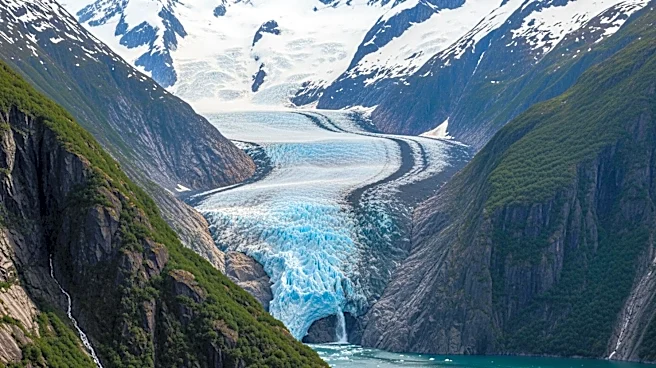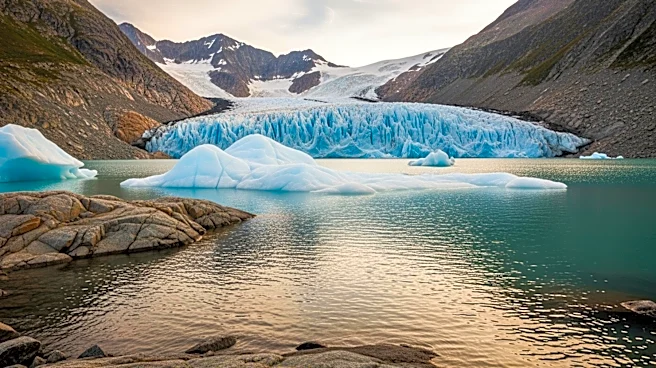



Glacier National Park is a stunning natural landscape known for its glaciers and mountainous terrain. However, the park is also a critical site for studying the impacts of climate change. This article examines how climate change is affecting the glaciers and environment of Glacier National Park, highlighting the ongoing research and predictions for the future.
The Decline of Glaciers
The glaciers of Glacier National Park have been shrinking over the years, a trend that has
been closely monitored by researchers. At the end of the Little Ice Age in the late 1800s, the park had 82 ice bodies larger than 0.1 square kilometers. By 2005, only 34 glaciers met this size criterion, illustrating a significant decline.
The U.S. Geological Survey (USGS) has documented the retreat of the park's glaciers, noting that from 35 named glaciers at the end of the Little Ice Age, only 26 remained by 2015. This decline is attributed to rising global temperatures, which have accelerated the melting of these ice formations.
Predicting Future Changes
Research into the future of Glacier National Park's glaciers has been a focal point for scientists. A 2003 study used a geospatial computer model to predict the retreat of Blackfoot and Jackson Glaciers, two of the park's larger glaciers. Initially, researchers predicted these glaciers would disappear by 2030, but later observations suggested a faster rate of melting, prompting a revision of the timeline.
As scientific understanding of glacial melt advanced, the predicted dates for the disappearance of the park's glaciers were adjusted. The USGS's Repeat Photography Project, which began in 1997, has been instrumental in documenting these changes. By comparing historical and contemporary photographs, researchers can visually track the retreat of the glaciers, providing valuable insights into the effects of climate change.
The Broader Environmental Impact
The impact of climate change on Glacier National Park extends beyond the glaciers themselves. The park's ecosystems are also affected, as changes in temperature and precipitation patterns alter the habitats of various plant and animal species. These changes can have cascading effects on the park's biodiversity and overall ecological balance.
Efforts to mitigate the impact of climate change on Glacier National Park are ongoing. The Glacier National Park Conservancy supports research and educational programs that aim to raise awareness about the importance of preserving the park's natural environment. By understanding the effects of climate change and taking action to protect the park, we can help ensure that future generations can continue to enjoy its beauty and diversity.