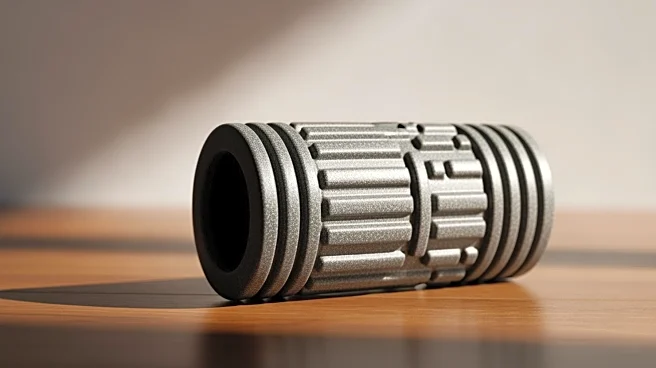

Foam rolling has become a popular method for individuals looking to enhance their flexibility and reduce muscle soreness. This cylindrical tool, made of elastomeric foam, is used for self-myofascial release,
a technique that helps in massaging one's own muscles. By placing the foam roller between the target muscle and the ground, users can roll back and forth, applying pressure through their body weight. This article explores the fundamental aspects of foam rolling and its benefits.
Understanding Foam Rolling
Foam rolling is primarily used for self-myofascial release, a technique aimed at releasing muscle tightness and improving flexibility. The process involves using a foam roller to apply pressure to specific muscle groups, which can help in reducing muscle knots and soreness. The roller's cylindrical shape allows it to be easily maneuvered over different parts of the body, making it a versatile tool for various exercises.
The effectiveness of foam rolling lies in its ability to provide a short-term positive impact on the range of motion of joints. While the long-term benefits are still under study, many users report immediate relief from muscle tension and improved flexibility after a session. Foam rolling is often recommended as a warm-up activity, as it prepares the muscles for more intense physical activity by increasing blood flow and reducing stiffness.
Foam Rolling Techniques
There are different techniques to maximize the benefits of foam rolling. One common approach is to combine foam rolling with stretching exercises. While combining these two does not significantly impact the range of motion compared to doing them separately, it has been found to have a slightly better effect than stretching alone if done after foam rolling. This sequence can help in further loosening the muscles and enhancing flexibility.
Foam rollers come in various sizes and firmness levels, often indicated by color. Beginners are advised to start with softer rollers to avoid discomfort and gradually move to firmer ones as they become accustomed to the pressure. The firmness of the roller can affect the intensity of the massage, with firmer rollers providing deeper pressure.
The Role of Foam Rolling in Exercise Routines
A 2021 analysis of studies suggested that foam rolling is more effective as a warm-up activity rather than a recovery tool. This is because it helps in reducing muscle pain perception and prepares the body for exercise. However, it is important to note that the optimal amount of foam rolling needed to achieve these benefits is still not well-defined.
Incorporating foam rolling into a regular exercise routine can be beneficial for those looking to improve their flexibility and reduce muscle soreness. While the long-term effects are still being researched, the immediate benefits make it a valuable addition to any fitness regimen.