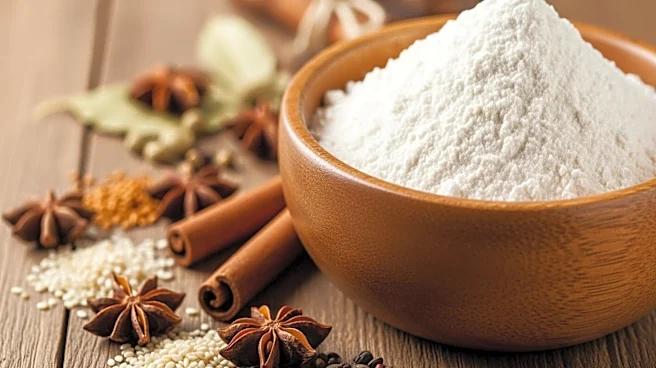




Rice flour, a staple ingredient in many kitchens, is made from finely milled rice and serves as a versatile substitute for wheat flour. Its gluten-free nature makes it an essential component in the diets of those with gluten intolerance. This article explores the diverse ways rice flour is utilized in culinary traditions across the globe, highlighting its adaptability and cultural significance.
East Asian Culinary Uses
In East Asia, rice flour is a fundamental ingredient in a variety
of traditional dishes. In China, it is used to make foods like jian dui, tangyuan, and nian gao. These dishes showcase the unique texture and flavor that rice flour imparts, making them beloved staples in Chinese cuisine. Similarly, in Japan, rice flour is used to create mochi and dango, both of which are popular confections. The glutinous rice flour, known as mochiko, is particularly valued for its sticky texture, which is essential for these chewy treats.
Korean cuisine also makes extensive use of rice flour, particularly in the preparation of tteok, a type of rice cake. Different varieties of rice flour, such as chapssal-garu (glutinous rice flour) and mepssal-garu (non-glutinous rice flour), are used to create a range of textures and flavors in these traditional cakes. Additionally, rice flour is used in making gochujang, a spicy chili paste, and as a thickening agent in various sauces.
Southeast Asian Delicacies
In Southeast Asia, rice flour is a key ingredient in many traditional desserts and snacks. In the Philippines, for example, galapóng, a dough made from glutinous rice flour, is the base for numerous native rice cakes and desserts, collectively known as kakanin. These treats are often enhanced with coconut milk, wood ash lye, and other ingredients, resulting in a rich array of flavors and textures.
Vietnamese cuisine also features rice flour prominently, particularly in the making of banh mi, a type of baguette that combines wheat and rice flour for a unique, airy texture. This blend of flours is a testament to the adaptability of rice flour in creating diverse culinary experiences.
South Asian and Beyond
In South Asia, rice flour is used in a variety of dishes, from dosa and puttu in South India to pitha and sandesh in Bangladesh. These dishes highlight the versatility of rice flour in creating both savory and sweet foods. In Sri Lanka, rice flour is used in making pittu, appa, and other traditional foods, showcasing its integral role in the region's culinary heritage.
Beyond Asia, rice flour finds its place in Central American cuisine, where it is used in dishes like pupusas. Its gluten-free nature also makes it a popular choice in the cosmetics industry and even in mushroom cultivation, demonstrating its wide-ranging applications beyond the kitchen.