







Seals Stadium, a prominent fixture in San Francisco's Mission District, was not only a sports venue but also an architectural marvel and cultural icon. Its design and cultural significance played a crucial role in shaping the city's identity and sports culture. This article explores the architectural features and cultural impact of Seals Stadium, highlighting its unique contributions to San Francisco.
Architectural Design
Seals Stadium was constructed with concrete and
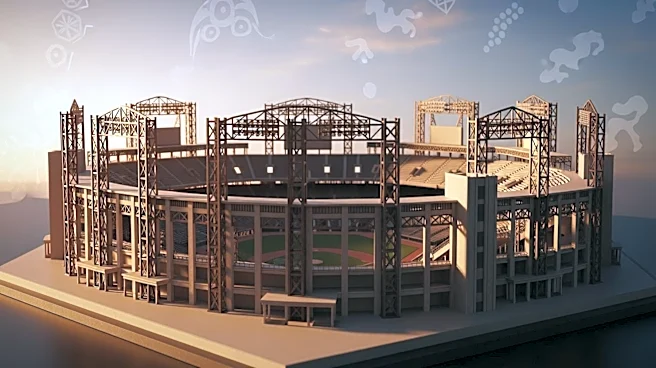
steel, opening in 1931 with a capacity of 18,600. Its design was unique, featuring three dressing rooms to accommodate two home teams and visiting teams. The stadium's lighting system, with six tower banks, was considered the best in minor league baseball at the time.
The grandstands were intentionally left uncovered, allowing fans to enjoy the sunny San Francisco weather during games. This design choice reflected the city's climate and the fans' preference for sitting in the sun. The field was oriented southeast, with the right field bleachers bounded by 16th Street, creating a distinctive layout that contributed to the stadium's charm.
Cultural Significance
Seals Stadium was more than just a baseball venue; it was a cultural hub that brought the community together. The stadium's location in the Mission District, a vibrant and diverse neighborhood, made it accessible to a wide range of fans. It served as a gathering place for sports enthusiasts, fostering a sense of community and shared passion for baseball.
The stadium's cultural impact extended beyond sports. It hosted various events, including boxing matches and international baseball tours, showcasing its versatility and importance in the city's cultural landscape. The presence of a live seal in a water tank underneath the grandstand added to the stadium's unique character, making it a memorable experience for visitors.
Legacy and Transformation
After its demolition in 1959, the site of Seals Stadium underwent several transformations, reflecting the city's evolving landscape. Initially housing a department store, the area later became home to automobile dealerships and eventually a shopping center. Despite these changes, the legacy of Seals Stadium remains ingrained in the city's history.
The stadium's cultural significance is commemorated by the San Francisco Giants, who honored its 50th anniversary in 2008. A bronze plaque was unveiled at the site, celebrating the stadium's contributions to baseball and the city's cultural heritage.
Seals Stadium's architectural design and cultural impact continue to resonate with those who experienced its vibrant atmosphere. It remains a symbol of San Francisco's rich sports history and cultural diversity, inspiring future generations to appreciate the city's unique heritage.