
The North American Aerospace Defense Command, commonly known as NORAD, is a bi-national defense organization between Canada and the United States. Established in 1957, NORAD has played a crucial role in the defense of
North America against aerospace threats. This article explores the historical development of NORAD, highlighting its formation and evolution over the decades.
The Birth of NORAD
NORAD was established on September 12, 1957, as the North American Air Defense Command. The creation of NORAD was a response to the growing need for a coordinated defense strategy between Canada and the United States during the Cold War. The two countries recognized the importance of a joint effort to protect the continent from potential aerospace threats, particularly from the Soviet Union.
The initial agreement between Canada and the United States outlined the primary purpose of NORAD as providing early warning and defense for the Strategic Air Command's retaliatory forces. This agreement marked the beginning of a permanent military alliance between the two nations, setting the stage for a collaborative defense strategy that would evolve over the years.
Structural Developments and Command Centers
NORAD's headquarters is located at Peterson Space Force Base in Colorado, which also serves as the headquarters for the United States Northern Command (USNORTHCOM). Over the years, NORAD has developed a complex structure to effectively manage its operations. It is divided into three regions: the Alaskan region, the Canadian region, and the American Continental region.
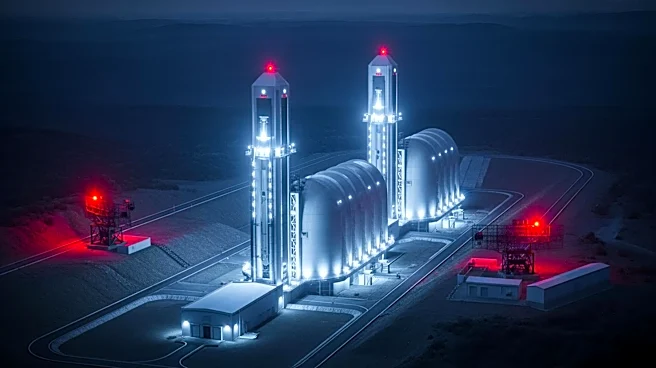
Each region has its own command center, with the Cheyenne Mountain Complex in Colorado serving as an alternate command center. This facility is known for its robust infrastructure, designed to withstand potential attacks and ensure continuous operations. The Cheyenne Mountain Complex became operational in 1966 and has since been a critical component of NORAD's defense strategy.
Technological Advancements and Modernization
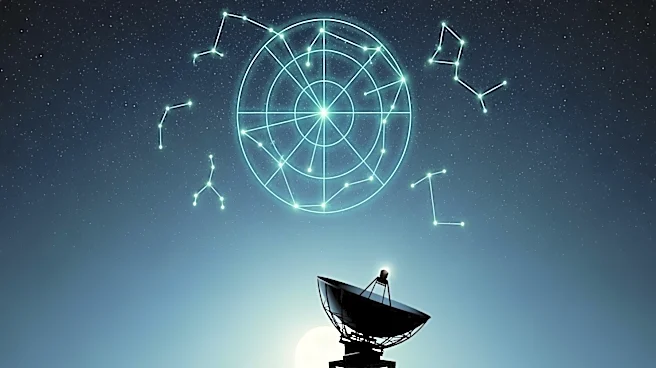
Throughout its history, NORAD has continuously adapted to technological advancements to enhance its capabilities. The organization has integrated various systems and technologies to improve its aerospace warning and control functions. This includes the use of radar systems, satellite tracking, and other advanced technologies to monitor and respond to potential threats.
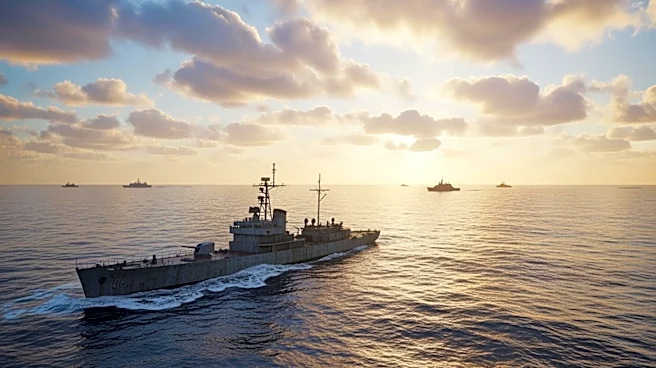
In recent years, NORAD has expanded its role to include maritime warning, reflecting the evolving nature of global threats. The organization continues to modernize its infrastructure and systems to address new challenges, ensuring the security of North America in an ever-changing geopolitical landscape.
NORAD's evolution from its inception in 1957 to its current state demonstrates the importance of international cooperation in defense. As a bi-national organization, NORAD remains a testament to the enduring partnership between Canada and the United States, committed to safeguarding the continent against aerospace threats.