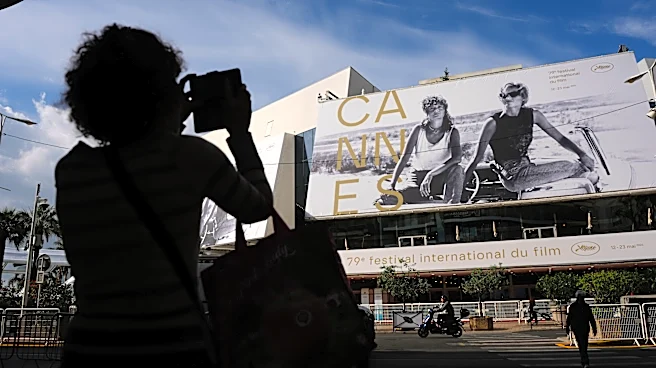






The 2002 Cannes Film Festival marked the 55th edition of this prestigious event, held from May 15 to 26 in Cannes, France. Known for its glamorous setting and influential role in the film industry, the festival brought together filmmakers, actors, and cinephiles from around the world. This year, the festival was presided over by American filmmaker David Lynch, who served as the jury president for the main competition. The event was a showcase of cinematic
excellence, featuring a diverse array of films and notable achievements.
Opening and Closing Ceremonies
The festival opened with the film "Hollywood Ending" by Woody Allen, setting the tone for a celebration of cinematic artistry. The opening and closing ceremonies were hosted by Virginie Ledoyen, adding a touch of elegance and charm to the proceedings. The closing film, "And Now... Ladies and Gentlemen" by Claude Lelouch, brought the festival to a fitting conclusion, highlighting the diversity and creativity of the films presented.
The festival's main competition featured 22 films, each vying for the coveted Palme d'Or. This prestigious award is the highest honor at Cannes, recognizing the best film in the competition. The selection of films showcased a wide range of genres and styles, reflecting the global nature of the festival and its commitment to celebrating the art of filmmaking.
Notable Awards and Achievements
One of the most significant moments of the 2002 Cannes Film Festival was the awarding of the Palme d'Or to French-Polish filmmaker Roman Polanski for his drama film "The Pianist." This powerful and moving film captivated audiences and critics alike, earning its place as the top prize winner of the festival. In addition to the Palme d'Or, American filmmaker Woody Allen received the inaugural Honorary Palme d'Or, recognizing his notable body of work and contributions to the film industry.
The festival also featured a variety of other awards, including the Grand Prix, which was awarded to Aki Kaurismäki. These awards highlighted the diverse talents and creative visions of filmmakers from around the world, underscoring the festival's role as a platform for artistic expression and innovation.
Films and Screenings
In addition to the main competition, the 2002 Cannes Film Festival included a range of other screenings and events. The "Un Certain Regard" section featured films that offered unique perspectives and innovative storytelling, while the "Cinéfondation" and short film competitions provided a platform for emerging filmmakers to showcase their talents.
The festival also included special screenings and out-of-competition films, such as Brian De Palma's "Femme Fatale," which added to the rich tapestry of cinematic offerings. These screenings provided audiences with the opportunity to experience a wide array of films, from established directors to new voices in the industry.
Overall, the 2002 Cannes Film Festival was a celebration of cinema in all its forms, bringing together filmmakers and audiences to share in the magic of storytelling. With its diverse selection of films and prestigious awards, the festival continues to be a cornerstone of the international film community.