



Cat food has come a long way from its humble beginnings in the 19th century. Initially, cats were considered self-sufficient hunters, and their diet was largely neglected. However, as the understanding of feline nutrition evolved, so did the development of specialized cat food. This article explores the journey of cat food from the days of horse meat to the diverse and specialized diets available today.
Early Days of Cat Feeding
In the 19th and early 20th centuries, cats in
London were often fed horse meat sold by itinerant traders known as Cats' Meat Men or Women. These traders traveled fixed routes to serve households, and their approach was often marked by the mewing of cats. At that time, the idea of preparing specialized food for cats was not yet developed, as cats were thought to be capable of fending for themselves.
French writers in the 1800s criticized the notion that cats could live solely by hunting. They argued that well-fed cats were more effective hunters. By the late 19th century, the concept of commercial cat food began to emerge, with companies like Spratt's offering ready-made products to replace boiled horse meat.
The Rise of Commercial Cat Food
The development of commercial cat food gained momentum in the late 19th and early 20th centuries. Spratt's, which initially made dog biscuits, became the first commercial producer of ready-made cat food. This marked a significant shift in how cats were fed, moving away from the reliance on horse meat and towards more convenient and nutritionally balanced options.
As the understanding of feline nutrition improved, so did the formulation of cat food. Cats are obligate carnivores, requiring animal-based proteins for essential nutrients like taurine and arginine, which they cannot synthesize from plant-based sources. This led to the development of cat food that catered specifically to these nutritional needs.
Modern Cat Food and Specialized Diets
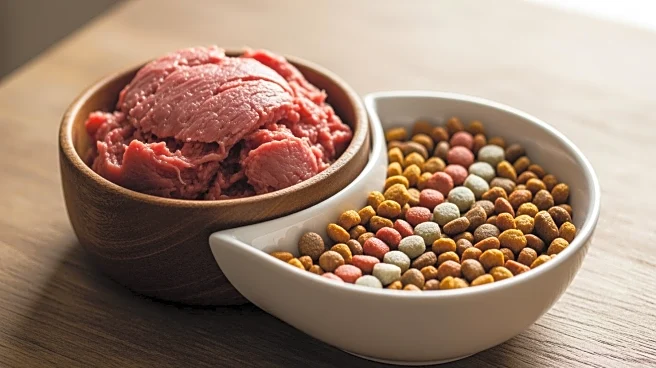
Today, cat food is available in various forms, including dry kibble, wet canned food, raw diets, and specialized formulations for different health conditions. Regulations, such as those set by the Association of American Feed Control Officials (AAFCO), ensure that commercially available foods meet specific nutritional standards.
Specialized diets have been developed to cater to cats with conditions like chronic kidney disease, obesity, and gastrointestinal disorders. These diets adjust protein, fat, and fiber levels accordingly. Alternative diets, such as grain-free, vegetarian, and raw food, have also gained popularity, though they remain controversial.
The evolution of cat food reflects a growing understanding of feline nutrition and a commitment to providing cats with diets that meet their specific needs. From the days of horse meat to the diverse options available today, cat food has undergone significant changes to ensure the health and well-being of our feline companions.