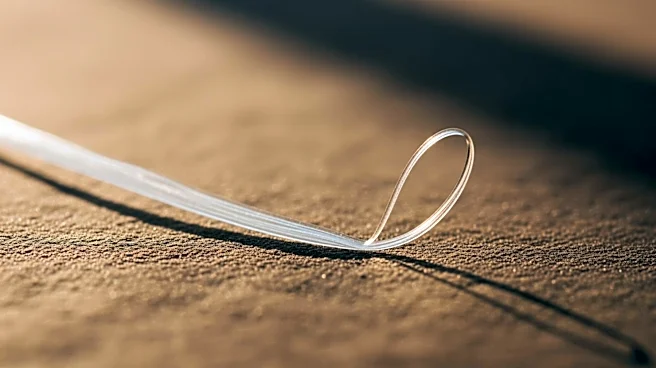



Spandex, also known as elastane or Lycra, is a synthetic fiber celebrated for its remarkable elasticity. This fiber is a polyether-polyurea copolymer, which was invented in 1958 by chemist Joseph Shivers at DuPont. The unique properties of spandex are a result of its specific chemical composition and production process, which have been refined over the years to enhance its performance in various applications.
Chemical Composition of Spandex
Spandex is primarily composed of a polyurea
derived from the reaction of a diol and a diisocyanate. The fiber's elasticity is attributed to its molecular structure, which consists of long, flexible polymer chains. These chains are capable of stretching significantly and then returning to their original shape, a property that is essential for the fiber's use in stretchable garments.
The production of spandex involves two classes of macrodiols. One class is the oligomer produced from tetrahydrofuran, known as polytetrahydrofuran. The other class, ester diols, are oligomers derived from the condensation of adipic acid and glycols. Spandex produced from ester diols is more resilient to photochemical degradation and chlorinated water, making it suitable for swimwear and other applications exposed to harsh conditions.
The Production Process
Unlike many other synthetic fibers, spandex cannot be melt-processed because the polymer degrades upon melting. Instead, spandex fibers are produced using several spinning technologies. Typically, a concentrated solution of the polymer is drawn through spinnerets at temperatures where the solvent evaporates, forming the fibers.
The key linking reaction in the production of spandex is the formation of urea, also known as urethane. The polyurea is usually treated with various diamines, which function as chain extenders, enhancing the fiber's elasticity and strength. This process results in a fiber that can stretch up to five times its original length and return to its initial shape, making it ideal for use in skin-tight garments.
Applications and Benefits
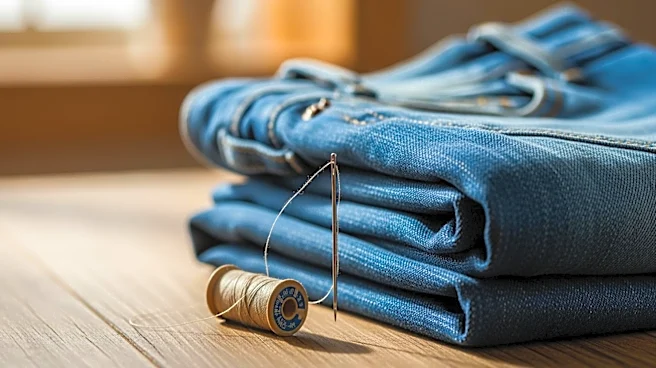
The exceptional elasticity and strength of spandex have made it a popular choice in a wide range of garments, particularly those that require a snug fit. Spandex is often blended with other fibers, such as cotton or polyester, to retain the look and feel of the other materials while adding stretchability. This blend allows for the creation of comfortable, form-fitting clothing that moves with the wearer.
In conclusion, the chemical composition and production process of spandex are integral to its performance as a fiber. Its ability to stretch and recover, combined with its durability and resistance to environmental factors, make it a valuable component in the textile industry.