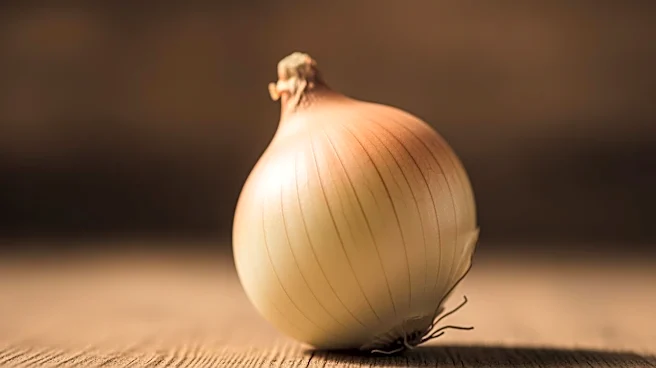









Onions have been a part of human history for thousands of years, with their cultivation and use spanning across various cultures and regions. This article explores the historical journey of onions, from their uncertain origins to their cultural significance in ancient civilizations.
Origins and Early Cultivation
The exact geographic origin of onions is uncertain, but ancient records indicate their use in both eastern and western Asia. Domestication likely took place in West or Central
Asia, with onions being described as originating in regions such as Iran, western Pakistan, and Central Asia. The species Allium fistulosum and Allium tuberosum were domesticated in China around 6000 BC, alongside other vegetables, grains, and fruits.
Onions have been cultivated for at least 7,000 years, with ancient Mesopotamian recipes using onions recorded in cuneiform script on the Yale culinary tablets. These tablets, dating from around 2000 BC, are the oldest known recipes in the world. The onion is also mentioned in the Hebrew Bible, with evidence of its use in ancient Israel.
Cultural Significance
In ancient Egypt, onions were revered for their spherical shape and concentric rings, which symbolized eternal life. Onions were used in Egyptian burials, as evidenced by traces found in the eye sockets of Ramesses IV. The Roman author Pliny the Elder wrote about the use of onions in Pompeii, documenting their believed medicinal properties.
During the Age of Discovery, onions were introduced to North America by European settlers as part of the Columbian exchange. The bulb onion was one of the first crops planted by the Pilgrim fathers in North America. Between 1883 and 1939, inventors in the United States patented numerous inventions to make onion-growing more efficient through automation.
Onions in Modern Times
Today, onions are cultivated and used around the world, with China, India, the United States, and Turkey being the top producers. Onions are a widely cultivated vegetable crop, second only to tomatoes in production quantity. They are available throughout the year and are a staple in many cuisines.
Onions continue to hold cultural significance in various regions. For example, the red onion from Tropea, Italy, is protected by a geographical indication mark, highlighting its importance to the local culture and economy. Similarly, the red onion from Turda, Romania, is a local variety with a unique taste and aroma, often used in traditional dishes.
The historical journey of onions reflects their enduring presence in human culture and cuisine. From ancient civilizations to modern kitchens, onions have remained a versatile and essential ingredient, symbolizing both sustenance and cultural heritage.