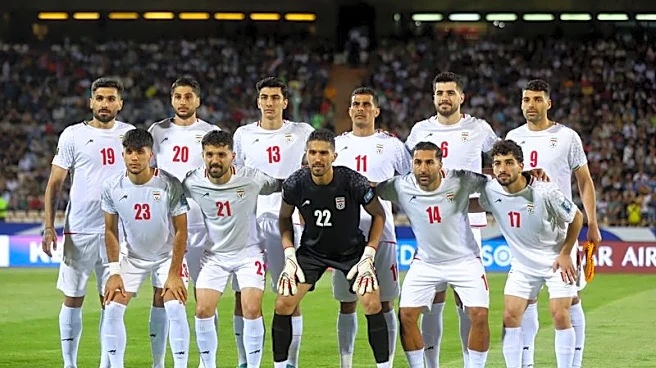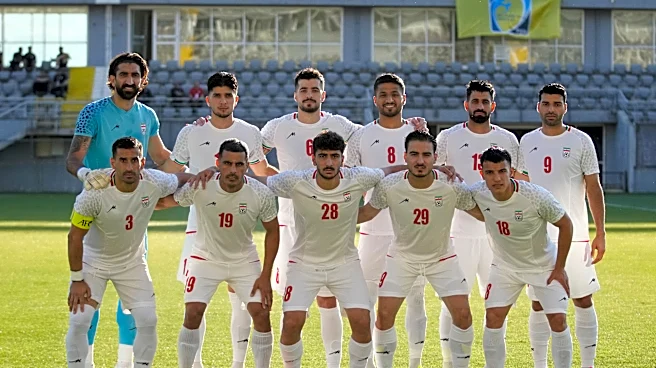


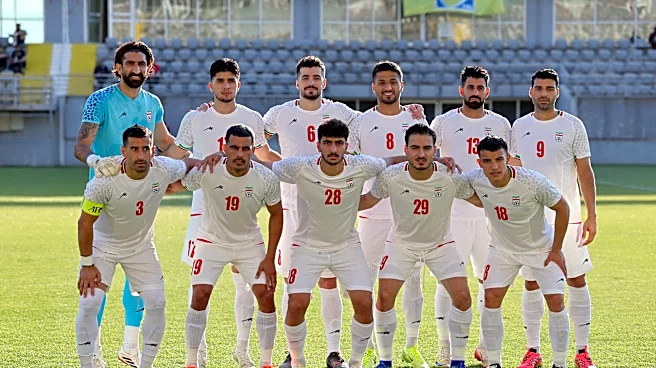
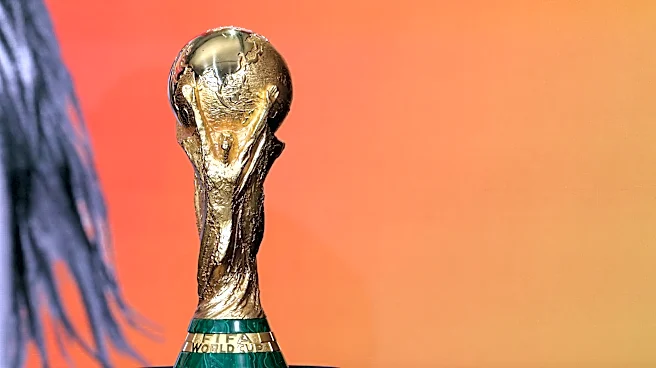
Iran's participation in the FIFA World Cup has often been intertwined with political and cultural narratives. The team's presence on the global stage has served as a platform for expressing national identity and addressing political tensions. This article explores the impact of politics and culture on Iran's World Cup journey, highlighting significant events and their implications.
The 1998 World Cup: A Politically Charged Encounter
The 1998 FIFA World Cup match between Iran and the United States was
one of the most politically charged games in the tournament's history. The backdrop of political tension between the two nations added a layer of complexity to the encounter. Despite the political climate, both teams attempted to downplay the politics, focusing on the spirit of the game.
Iran's victory over the United States was celebrated as a display of national unity and pride. The match was seen as an opportunity to improve relations between the two countries, although the political tensions remained. The Iranian players' gesture of gifting white roses to their American counterparts symbolized a desire for peace and camaraderie.
Cultural Expressions and Symbolism
Iran's participation in the World Cup has also been a platform for cultural expression. The team's refusal to sing the national anthem during the 2022 World Cup in Qatar was a significant cultural statement, reflecting solidarity with protestors back home. This act highlighted the intersection of sports and cultural identity, showcasing the team's support for social movements.
The inclusion of the Asiatic cheetah on Iran's 2014 World Cup kits was another example of cultural symbolism. This move aimed to raise awareness about the endangered species, reflecting Iran's commitment to conservation efforts. Such gestures demonstrate how the World Cup serves as a stage for cultural and environmental advocacy.
Future Implications and Opportunities
As Iran prepares for the 2026 FIFA World Cup, the team continues to navigate the complexities of political and cultural narratives. The upcoming tournament presents an opportunity for Iran to further express its national identity and address ongoing political issues. The designation of a "Pride Match" in Seattle, featuring Iran and Egypt, highlights the ongoing dialogue around cultural and social issues.
Iran's World Cup journey is not just about football; it is a reflection of the nation's political and cultural landscape. The team's participation in the tournament offers a unique opportunity to engage with global audiences and promote dialogue on important issues. As Iran looks ahead to the 2026 World Cup, the intersection of politics, culture, and sports will continue to shape their journey.