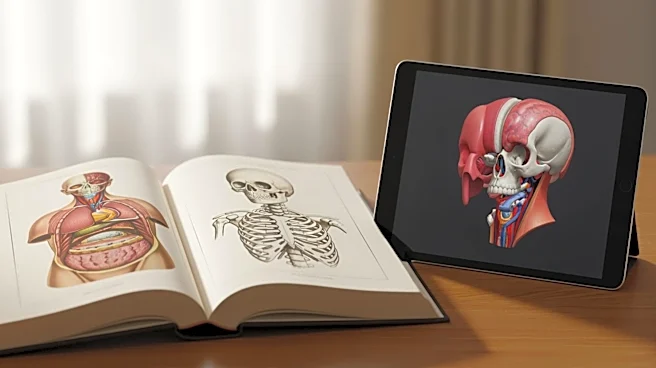









Anatomy, the study of the structure of organisms, has a rich history that spans from ancient times to the present day. This field has evolved significantly, beginning with early dissections and progressing to the use of advanced imaging technologies. Understanding the historical development of anatomy provides insight into how scientific practices have shaped our knowledge of the human body.
Ancient Beginnings
The study of anatomy dates back to prehistoric times, with
early examinations of sacrificial victims and animal dissections. Ancient Egyptian texts, such as the Edwin Smith Papyrus, reveal that Egyptians recognized various organs and vessels, although their understanding of functions was limited. The Greeks further advanced anatomical knowledge, with philosophers like Alcmaeon and Empedocles exploring the causes of life and disease.
During the Hellenistic Age, significant progress was made in Alexandria, where Herophilos and Erasistratus conducted human dissections. These pioneers challenged existing beliefs, such as Aristotle's notion that the heart was the seat of intelligence, advocating instead for the brain. Their work laid the foundation for future anatomical studies.
Renaissance and Enlightenment
The Renaissance marked a turning point in anatomical study, with figures like Andreas Vesalius challenging Galenic doctrines. Vesalius's seminal work, *De Humani Corporis Fabrica*, provided detailed illustrations and descriptions of human anatomy, emphasizing direct observation and dissection. This era saw the establishment of anatomical theatres, where dissections were performed publicly, furthering the spread of anatomical knowledge.
In the 17th century, anatomical research expanded with the use of microscopes, allowing for the study of tissues and cells. This period also witnessed advances in understanding the circulatory system, with William Harvey's discovery of blood circulation revolutionizing medical science.
Modern Techniques and Discoveries
The 20th century brought technological advancements that transformed anatomical study. Imaging techniques such as MRI and CT scans enabled detailed visualization of the body's structures, enhancing our understanding of anatomy. These non-invasive methods allowed researchers to study living organs, providing insights into their function and development.
Today, anatomical research continues to evolve, focusing on the development, evolution, and function of anatomical features. The integration of molecular biology and evolutionary studies has expanded our knowledge, while non-human anatomy remains an active area of research. As technology advances, the study of anatomy will undoubtedly continue to grow, offering new perspectives on the human body.