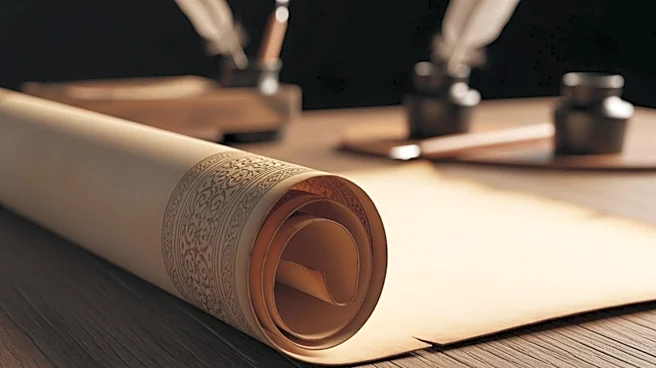







Scrolls have long been a staple in the world of art and design, serving as a versatile element of ornamentation. From ancient architectural decorations to modern graphic design, scroll motifs have evolved to represent various forms, including spirals, vines, and floral patterns. This article explores the artistic journey of scrolls and their impact on decorative design.
The Origins of Scrollwork
Scrollwork in art can be traced back to ancient civilizations, where it was used
to embellish a wide range of objects. The Greeks and Romans incorporated scroll motifs into their architectural designs, often using plant-based scrolls to adorn columns and friezes. These early scrolls were inspired by natural forms, such as vines and leaves, and were characterized by their flowing, continuous patterns.
In the Renaissance, scrollwork underwent a transformation, developing from strapwork into more elaborate designs. Artists began to imagine scrolls as the curling ends of flat materials, such as leather or metal sheets. This shift marked the beginning of scrollwork as a distinct decorative technique, popularized during the Mannerist and Baroque periods.
Scrolls Across Cultures
Scroll motifs have transcended cultural boundaries, appearing in various artistic traditions around the world. In China, scroll designs were used in pottery and metalwork, often featuring intricate floral patterns. The lotus flower, a symbol of Buddhism, became a common element in Chinese scrollwork, influencing designs across Asia.
Islamic art also embraced scroll motifs, incorporating them into calligraphy and architectural decoration. These designs often featured geometric patterns and arabesques, reflecting the cultural emphasis on symmetry and balance. The spread of scrollwork across Eurasia highlights its adaptability and universal appeal.
Modern Applications
Today, scrollwork continues to be a popular decorative element in art and design. It is commonly used in furniture, metalwork, and even cake decorating, where it lends an antique charm to modern creations. The versatility of scroll motifs allows them to be adapted to various media, from wallpaper designs to wrought-iron gates.
In graphic design, scrolls are often used as flourishes and embellishments, adding a touch of elegance to digital compositions. The enduring popularity of scrollwork in contemporary design speaks to its timeless appeal and ability to enhance visual aesthetics.
The journey of scrolls in art and design is a testament to their enduring influence and versatility. As decorative elements, scroll motifs continue to inspire artists and designers, bridging the gap between ancient traditions and modern creativity.