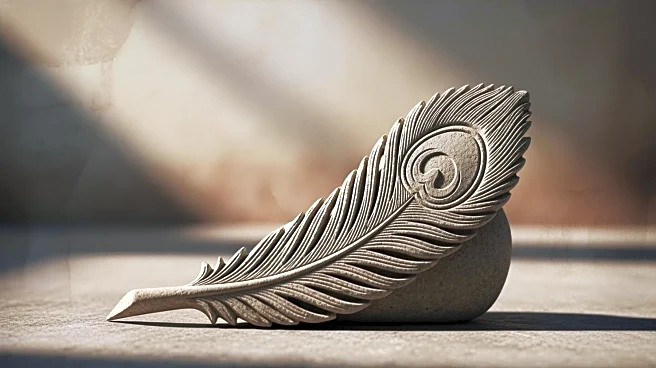




Mayurasana, also known as the Peacock pose, is a hand-balancing yoga posture with a rich historical background. This asana is one of the oldest non-seated poses in hatha yoga, first described in the 10th century. Its name is derived from the Sanskrit words 'mayura,' meaning peacock, and 'asana,' meaning posture. This article delves into the historical roots of Mayurasana, tracing its origins and significance in the practice of yoga.
Ancient Origins
Mayurasana's origins
can be traced back to the 10th century, where it was first documented in the Vimānārcanākalpa. This ancient text is one of the earliest to describe non-seated asanas, highlighting the significance of Mayurasana in the evolution of yoga practices. The pose is named after the peacock, a bird known for its grace and beauty, symbolizing the elegance and balance required to perform this challenging posture.
The Vāsiṣṭha Saṃhitā, another ancient text, mentions Mayurasana and attributes it with the power to destroy all sins. This reflects the spiritual and purifying aspects associated with the pose, emphasizing its importance in the yogic tradition. The depiction of Mayurasana in historical texts underscores its longstanding presence in the practice of yoga, marking it as a significant milestone in the development of asanas.
Cultural Significance
Mayurasana holds cultural significance beyond its physical execution. In Indian art and culture, the peacock is a symbol of beauty and immortality, often associated with deities and spiritual enlightenment. The pose embodies these qualities, representing the yogi's journey towards balance and inner peace.
A mural depicting a Nath yogi in Mayurasana at the Mahamandir temple in Jodhpur, India, dating back to around 1810, illustrates the cultural integration of this asana. Such depictions in art highlight the pose's revered status and its role in the spiritual practices of yogis throughout history. The cultural resonance of Mayurasana continues to influence modern yoga, where it is practiced not only for its physical benefits but also for its symbolic meaning.
Evolution in Modern Yoga
In modern yoga, Mayurasana is practiced as both a physical exercise and a spiritual discipline. It requires strength, balance, and concentration, making it a challenging yet rewarding pose for practitioners. The evolution of Mayurasana from its ancient roots to its place in contemporary yoga reflects the adaptability and enduring appeal of this asana.
Today, variations of Mayurasana, such as Hamsasana (Swan Pose) and Padma Mayurasana (Lotus in Peacock Pose), demonstrate the pose's versatility and its integration into diverse yoga styles. These variations allow practitioners to explore different aspects of balance and strength, further enriching the practice of Mayurasana.
In conclusion, Mayurasana's historical roots and cultural significance make it a cornerstone of yoga practice. Its evolution from ancient texts to modern studios highlights the timeless nature of yoga and its ability to adapt and inspire across generations.