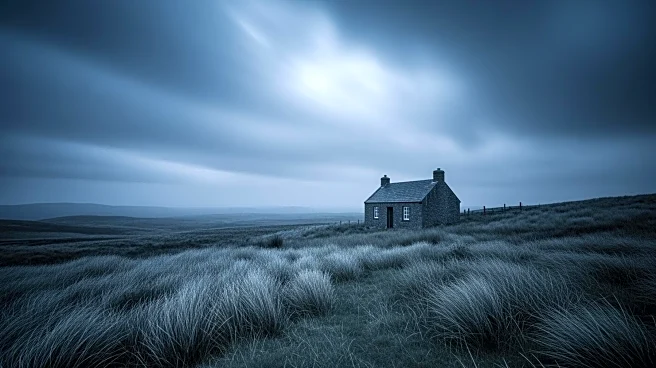



Wuthering Heights, the 1939 film adaptation of Emily Brontë's novel, presents a compelling narrative of love, revenge, and tragedy. Directed by William Wyler, the film focuses on the intense relationship between Heathcliff and Cathy, capturing the essence of Brontë's story while making significant adaptations for the screen. The film's plot and character dynamics offer a rich tapestry of emotions and conflicts.
The Plot Unfolds
The film begins with a traveler named
Lockwood seeking shelter at Wuthering Heights during a snowstorm. He encounters Heathcliff, the estate's cold and enigmatic owner. That night, Lockwood experiences a ghostly visitation from Cathy Earnshaw, Heathcliff's lost love, setting the stage for the story's exploration of their tragic romance.
The narrative unfolds through a flashback, revealing Heathcliff's arrival at Wuthering Heights as a foundling brought home by Mr. Earnshaw. Heathcliff forms a close bond with Cathy, but faces hostility from her brother Hindley. As they grow up, Heathcliff and Cathy fall in love, but societal pressures and personal choices drive them apart. Cathy's decision to marry Edgar Linton, a wealthy neighbor, sets off a chain of events that lead to heartbreak and revenge.
Character Dynamics
The film's portrayal of Heathcliff and Cathy is central to its emotional impact. Heathcliff, played by Laurence Olivier, is a brooding and passionate figure, driven by his love for Cathy and his desire for vengeance. Merle Oberon's Cathy is equally complex, torn between her love for Heathcliff and her ambition for social status.
Their relationship is marked by intense emotions and conflicts, with Cathy declaring her love for Heathcliff in a famous speech that reveals the depth of their connection. Despite her marriage to Edgar, Cathy remains emotionally tied to Heathcliff, leading to tragic consequences. The film captures the essence of their star-crossed love, emphasizing the themes of obsession and the destructive power of unfulfilled desires.
Adaptation Choices
The film adaptation makes significant changes to Brontë's novel, focusing solely on the first generation of characters and omitting the second generation's story. This decision allows the film to concentrate on the central romance between Heathcliff and Cathy, enhancing the dramatic tension and emotional depth.
The film's ending, featuring the spirits of Heathcliff and Cathy walking hand-in-hand, diverges from the novel's conclusion. This choice, made by producer Samuel Goldwyn, adds a romantic and haunting element to the story, highlighting the enduring bond between the characters. The adaptation choices reflect the filmmakers' vision and contribute to the film's lasting appeal.
Wuthering Heights (1939) remains a powerful exploration of love and loss, capturing the essence of Brontë's novel while offering a unique cinematic experience. The film's plot and character dynamics continue to resonate with audiences, ensuring its place as a classic in the history of film.