

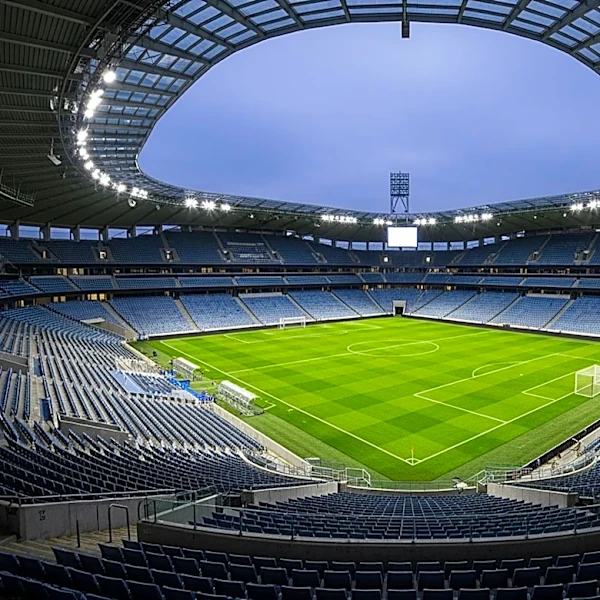





The 2025 FIFA Club World Cup marked a significant shift in the landscape of international club soccer. Held in the United States, this tournament was the first to feature an expanded format, bringing together 32 teams from around the globe. This change aimed to elevate the competition's prestige and align it more closely with the FIFA World Cup. The tournament's new structure and its impact on the sport have been subjects of much discussion among
fans and analysts alike.
The Expanded Format
The 2025 edition of the FIFA Club World Cup was the first to adopt a 32-team format, a departure from the previous seven-team structure. This expansion was designed to include more continental champions and additional qualified teams, thereby increasing the tournament's competitiveness and global appeal. The new format was modeled after the FIFA World Cup, with teams divided into eight groups of four. The top two teams from each group advanced to the knockout stage, creating a more dynamic and engaging tournament.
This change was not without its challenges. Concerns were raised about the potential impact on players' schedules and welfare, as the expanded tournament added more fixtures to an already crowded calendar. Despite these concerns, the new format was generally well-received, offering clubs from different continents a greater opportunity to compete on the world stage.
Hosting in the United States
The decision to host the 2025 FIFA Club World Cup in the United States was part of FIFA's broader strategy to increase soccer's popularity in the country. The tournament served as a prelude to the 2026 FIFA World Cup, also set to take place in North America. Twelve venues across eleven cities were selected, including iconic stadiums like the Rose Bowl in Pasadena and MetLife Stadium in New Jersey, which hosted the final.
Hosting the tournament in the U.S. presented unique opportunities and challenges. The country's vast geography required careful planning to accommodate teams and fans traveling between venues. Additionally, the tournament's timing coincided with the CONCACAF Gold Cup, necessitating a focus on East Coast venues to avoid scheduling conflicts.
The Impact on Global Soccer
The 2025 FIFA Club World Cup's expanded format and U.S. hosting had significant implications for global soccer. The tournament's increased visibility and competitive nature helped elevate the profile of club soccer worldwide. It also provided a platform for clubs from less prominent soccer regions to showcase their talent on an international stage.
The tournament's success in the U.S. demonstrated the growing appetite for soccer in the country, potentially paving the way for future international events. As the sport continues to evolve, the 2025 FIFA Club World Cup stands as a landmark moment in the globalization of club soccer, setting a precedent for future editions.