





Flahooley, a musical that premiered on Broadway in 1951, is a fascinating blend of politics and fantasy. With music by Sammy Fain and lyrics by E.Y. Harburg, the show offers a satirical take on the anti-Communist sentiment prevalent in the United States during the early 1950s. This article explores the allegorical themes and political commentary embedded in the musical's storyline.
The Allegorical Tale of Flahooley
Set in the fictional town of Capsulanti, USA, Flahooley centers around
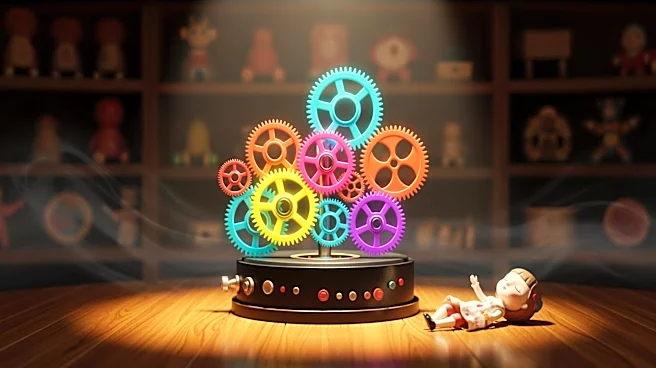
B.G. Bigelow, Incorporated, the world's largest toy corporation. The story follows puppet designer Sylvester, who creates a laughing doll named Flahooley, intended to be the company's big Christmas release. However, the plot takes a fantastical turn when an Arabian delegation arrives, seeking help to repair a broken magic lamp that powers their country's oil supply.
The lamp's genie, Abou Ben Atom, is summoned by Sylvester, who wishes for every child to have a Flahooley doll. The genie's misunderstanding of capitalism leads to chaos as he gives away thousands of dolls for free, causing a witch-hunt led by Elsa Bullinger. The allegory is clear: the musical critiques the commercialization of Christmas and the capitalist system, using fantasy elements to deliver its message.
Political Satire and Social Commentary
Flahooley is rich with political satire, reflecting Harburg's own experiences with Hollywood blacklisting and the anti-Communist fervor of the time. The musical's plot includes thinly veiled references to Senator Joseph McCarthy and his followers, critiquing the era's witch hunts and rabid anti-Communist sentiment.
Harburg's script originally featured a doll that yelled "Dirty Red!" instead of laughing, a direct jab at the Red Scare. Although this element was toned down during out-of-town tryouts, the musical's political undertones remained evident. The inclusion of a genie and singing puppets did little to soften the harsh parody, making Flahooley a bold statement against the political climate of the 1950s.
The Impact and Legacy of Flahooley
While Flahooley's political themes may have contributed to its brief Broadway run, they also cemented its place in theater history as a daring and unconventional work. The musical's allegorical nature and social commentary continue to resonate with audiences and scholars interested in the intersection of politics and art.
In 1998, a revival of Flahooley was staged in New York, restoring songs and material that had been cut from the original production. This revival allowed a new generation to experience Harburg and Fain's unique vision, highlighting the enduring relevance of the musical's themes. Flahooley remains a testament to the power of theater to challenge societal norms and provoke thought through the creative fusion of politics and fantasy.