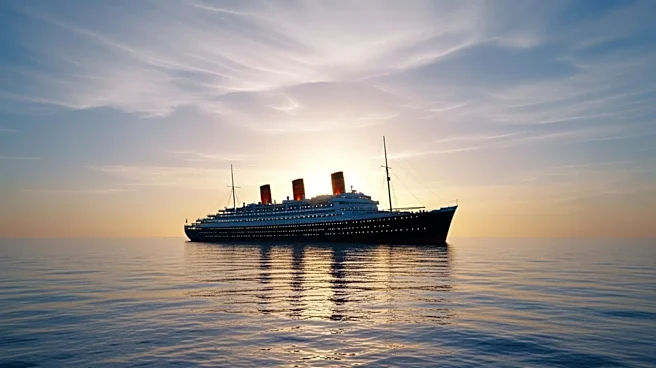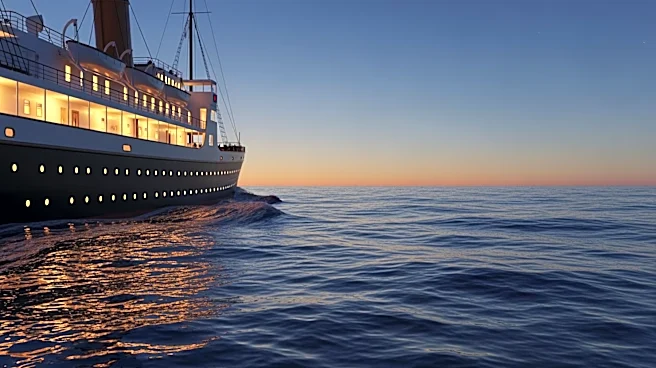

In the early hours of April 15, 1912, the RMS Carpathia became a beacon of hope in the North Atlantic Ocean. Known for its role in rescuing survivors from the ill-fated RMS Titanic, Carpathia's actions
that night have been etched into maritime history. Under the command of Captain Arthur Rostron, the ship navigated treacherous ice fields to save 712 lives, showcasing the bravery and quick thinking of its crew.
The Night of the Disaster
On the night of April 14, 1912, the RMS Carpathia was on its regular route from New York City to Fiume, Austria-Hungary. The ship carried 128 first-class, 50 second-class, and 565 third-class passengers, along with a crew of about 240 members. As the night unfolded, Carpathia's wireless operator, Harold Cottam, received a distress signal from the Titanic, which had struck an iceberg and was sinking rapidly.
Captain Rostron, upon being informed of the situation, immediately ordered the ship to change course and head towards Titanic's last known position. Despite the dangerous ice fields, Rostron pushed Carpathia to its limits, achieving speeds beyond its rated capacity. The crew prepared for the rescue by organizing blankets, food, and medical supplies, ensuring they were ready to assist the survivors.
The Rescue Operation
Carpathia arrived at the scene approximately an hour and a half after Titanic had sunk. The crew worked tirelessly to pull survivors from the lifeboats, providing them with warmth and comfort. Captain Rostron's meticulous planning and the crew's dedication were crucial in the successful rescue of 712 individuals.
Throughout the operation, Carpathia's passengers also played a vital role, offering their cabins and personal belongings to the survivors. The ship's medical staff attended to the injured, while others provided emotional support to those who had lost loved ones in the tragedy.
Aftermath and Recognition
Once the rescue was complete, Captain Rostron decided to return to New York City to disembark the survivors. The decision was made after consulting with J. Bruce Ismay, a Titanic survivor and managing director of the White Star Line. Upon arrival in New York, Carpathia was met with intense media attention, and the crew was hailed as heroes.
For their efforts, the crew received various accolades, including medals from the survivors. Captain Rostron was awarded a Congressional Gold Medal and was later knighted by King George V. The rescue operation conducted by Carpathia remains a testament to the courage and humanity displayed in the face of disaster.