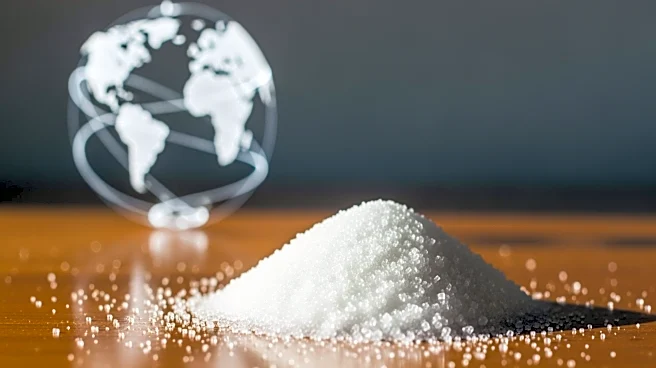








Sugar is a vital commodity in the global market, with production and consumption patterns reflecting its importance in various cultures and economies. From sugarcane fields in Brazil to sugar beet farms in Russia, the production of sugar is a significant agricultural activity worldwide.
Sugarcane Production
Sugarcane is a major crop, accounting for around 21% of global crop production over the 2000–2021 period. The Americas lead in sugarcane production, contributing 52%
of the world total. Brazil is the largest producer, responsible for 38% of global sugarcane output, followed by India with 23%. These countries have favorable climates for sugarcane cultivation, which requires a frost-free environment and sufficient rainfall.
The process of sugarcane production involves harvesting the crop, extracting juice, and refining it into sugar. The juice is clarified, heated, and concentrated to form sugar crystals. By-products like molasses and bagasse are utilized in various industries, showcasing the versatility of sugarcane beyond sugar production.
Sugar Beet Production
Sugar beet is another significant source of sugar, particularly in temperate regions. In 2022, global production of sugar beets reached 260 million tonnes, with Russia leading at 18.8% of the world total. Sugar beet cultivation requires fertile soil and adequate rainfall, and the crop is harvested mechanically in the autumn.
The sugar extraction process from sugar beets involves washing, slicing, and diffusing the roots to obtain raw juice. This juice is treated with lime and calcium carbonate, then concentrated and crystallized to produce white sugar. The efficiency of sugar beet processing has made it a competitive alternative to sugarcane, especially in regions unsuitable for tropical crops.
Consumption Patterns
Globally, the average person consumes about 24 kilograms of sugar annually, with North and South Americans consuming up to 50 kg, and Africans consuming under 20 kg. This consumption reflects cultural preferences and economic factors influencing sugar availability and affordability.
The widespread use of sugar in food and beverage manufacturing raises concerns about elevated calorie intake and associated health risks, such as obesity and diabetes. Organizations like the World Health Organization recommend reducing sugar intake to mitigate these health issues. Despite these concerns, sugar remains a staple in diets worldwide, highlighting its cultural significance and economic impact.