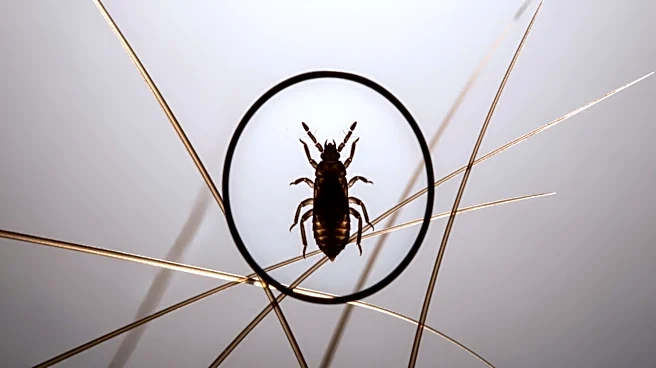

Head lice infestations, known scientifically as pediculosis capitis, are a common issue affecting millions of people worldwide, particularly children. These infestations are caused by the head louse, Pediculus
humanus capitis, which thrives on the human scalp. Understanding the factors that contribute to infestations and implementing effective prevention strategies can help reduce their occurrence.
Causes of Infestation
Head lice infestations are primarily spread through direct head-to-head contact with an infested person. This mode of transmission is most common among children, who often engage in close physical interactions during play and social activities. The sharing of personal items such as combs, brushes, hats, and towels can also facilitate the spread of lice, although this is less common.
Several factors can increase the likelihood of infestation. The number of children per family, the sharing of beds and closets, hair washing habits, and local customs all play a role. Socioeconomic status and healthcare access in a particular area, such as schools, can also influence infestation rates. Girls are two to four times more frequently infested than boys, and children between the ages of 4 and 14 are the most commonly affected group.
Prevention Strategies
Preventing head lice infestations involves minimizing direct contact with infested individuals and avoiding the sharing of personal items. Educating children and parents about the importance of maintaining personal space and hygiene can help reduce the risk of transmission.
Regularly checking for lice and nits, especially in children, is crucial for early detection and treatment. Using a fine-tooth comb to examine the scalp can help identify lice before they spread extensively. Implementing a "no nit" policy in schools and childcare centers can also be an effective measure to prevent outbreaks.
Treatment and Management
Once an infestation is detected, prompt treatment is essential to prevent further spread. Over-the-counter and prescription treatments are available, including shampoos and lotions containing insecticides. These products should be used according to instructions to ensure effectiveness and safety.
In addition to chemical treatments, manual removal of lice and nits using a fine-tooth comb is recommended. This method can be time-consuming but is effective in removing lice from the scalp. Washing bedding, clothing, and personal items in hot water can help eliminate any lice or nits that may have transferred from the scalp.
By understanding the causes of head lice infestations and implementing effective prevention and treatment strategies, individuals and communities can reduce the impact of these persistent parasites. Education and vigilance are key to managing and preventing head lice outbreaks.