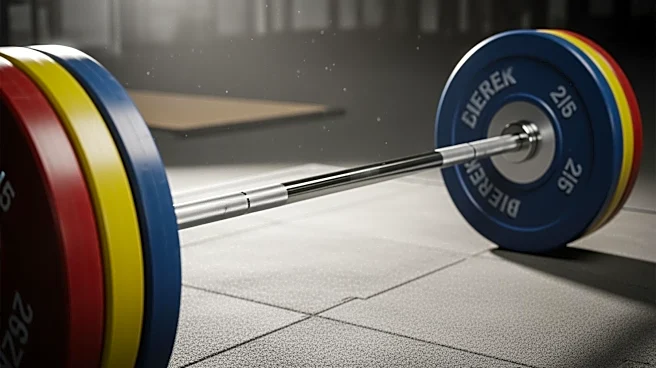







The clean and jerk is a cornerstone of Olympic weightlifting, known for its two-stage execution that combines strength, speed, and precision. This lift is not only a test of raw power but also of technique, as athletes must first lift the barbell to their shoulders before propelling it overhead. As one of the two Olympic lifts, alongside the snatch, the clean and jerk is a staple in weightlifting competitions worldwide.
The Clean: From Ground to Shoulders
The clean is the first phase
of the clean and jerk, where the lifter moves the barbell from the ground to a racked position on the shoulders. This movement begins with the lifter taking a shoulder-width grip on the barbell. The lifter then pulls the bar off the floor, using a powerful extension of the hips and knees. As the bar rises, the lifter quickly drops into a squat position, catching the barbell on the front of the shoulders.
Once the barbell is securely racked, the lifter stands up, completing the clean. This phase requires not only strength but also agility and timing, as the lifter must coordinate the pull and the drop under the bar. The clean sets the stage for the jerk, positioning the barbell for the final overhead lift.
The Jerk: From Shoulders to Overhead
Following the clean, the jerk is the second phase where the lifter moves the barbell from the shoulders to a stable overhead position. The jerk begins with the lifter in the front rack position, knees slightly bent. The lifter then performs a quick dip and drive, using the legs to propel the barbell upward.
As the barbell rises, the lifter drops under it, typically using a split jerk technique where one foot moves forward and the other back. This allows the lifter to stabilize the barbell overhead with straight arms. The lift is completed when the lifter stands with feet in line, holding the barbell overhead.
Variants and Techniques
While the squat clean and split jerk are the most common techniques, there are several variations. The power clean, for instance, involves catching the barbell in a higher squat position, requiring a stronger pull. The squat jerk, though less common, involves catching the barbell in a full squat position overhead, demanding exceptional shoulder stability and flexibility.
Each variant of the clean and jerk offers unique challenges and benefits, allowing lifters to tailor their approach based on their strengths and preferences. Mastery of these techniques is essential for competitive weightlifters aiming to maximize their performance in this demanding lift.