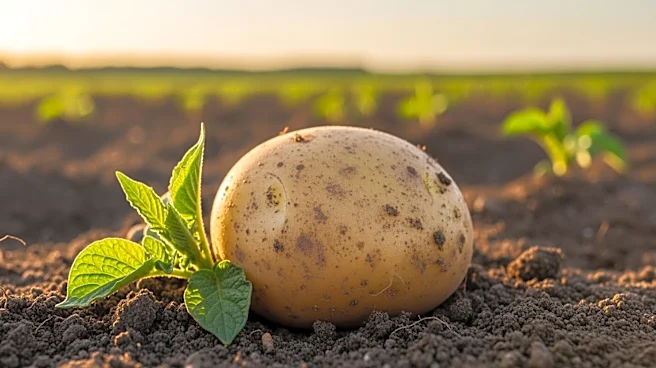







The potato, a starchy tuber, has played a significant role in global agriculture, becoming one of the most important staple crops worldwide. Its adaptability to various climates and soils has made it a vital food source for many cultures, contributing to agricultural development and food security. This article examines the potato's impact on agriculture and its significance as a staple crop across the globe.
Agricultural Development in South America
The potato's agricultural journey began
in South America, where it was first domesticated by indigenous peoples in the Andes. The tuber's ability to thrive in mountainous regions made it an essential crop for the Inca Empire and its predecessors. Potatoes provided a reliable source of energy, supporting large populations and complex societies.
In the Andes, potatoes were cultivated alongside other crops like quinoa and maize, forming the backbone of the Andean diet. The development of chuño, a freeze-dried potato product, allowed for long-term storage, ensuring food security during times of famine or poor harvests. This innovation highlights the potato's importance in early agricultural practices.
Expansion to Europe and Beyond
The potato's introduction to Europe in the late 16th century marked a turning point in agricultural history. Initially met with resistance, the potato gradually gained acceptance due to its advantages over other crops. Its lower rate of spoilage, bulk, and affordability made it a crucial food source during times of scarcity.
In France, government officials and noble landowners promoted the conversion of fallow land into potato fields, recognizing the tuber's potential to improve food security. The potato's ability to yield more calories per acre than grain contributed to population growth and economic development in Europe.
Global Significance and Modern Agriculture
Today, the potato is a staple crop in many countries, including the United States, Canada, and China. Its adaptability to different climates and soils has made it a key component of global agriculture. In Africa, potatoes have become a staple in higher regions, while in Asia, they have spread rapidly due to their suitability for local conditions.
The potato's role in modern agriculture extends beyond food production. It is used in various industries, including starch production and alcohol distillation. The development of disease-resistant varieties and improved cultivation techniques has further enhanced the potato's significance in global agriculture.
The potato's journey from a humble tuber in the Andes to a global staple is a testament to its adaptability and importance in agriculture. As a reliable food source, the potato continues to play a crucial role in feeding the world's population.