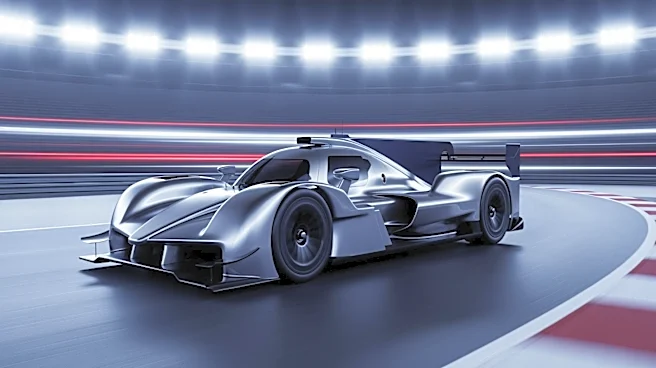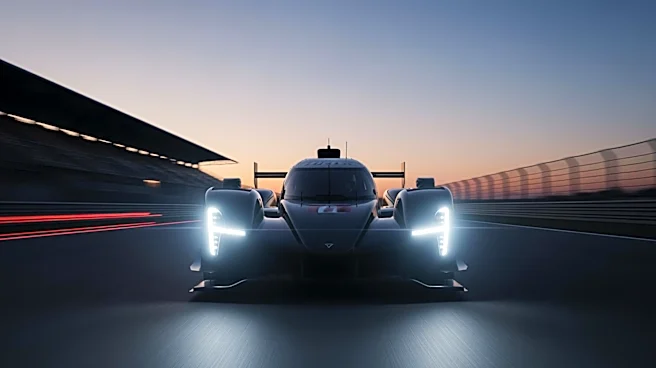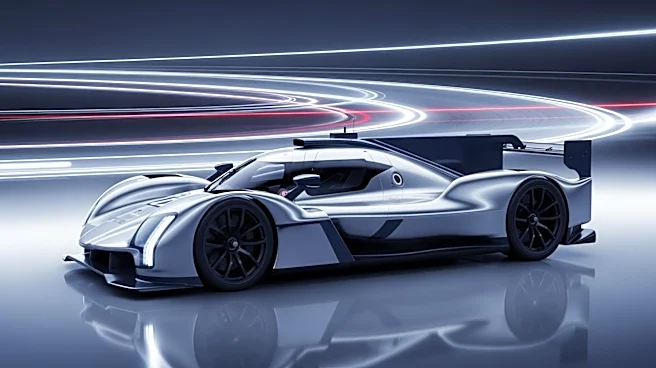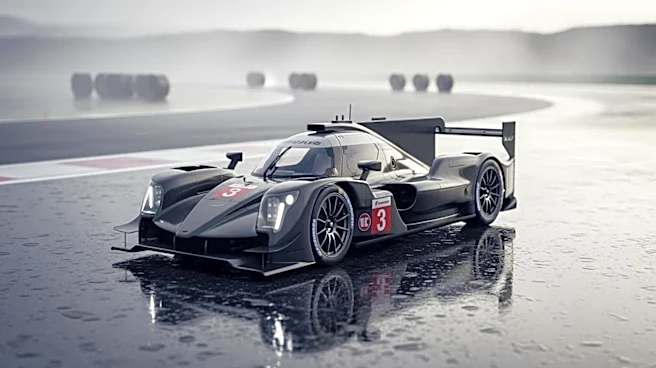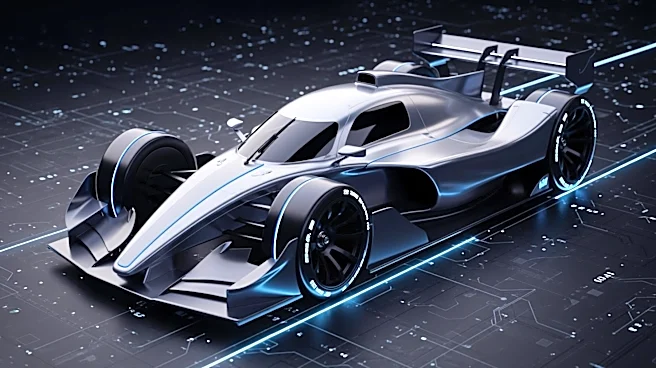

LMP2 cars are a fascinating class within the realm of endurance racing, known for their standardized engines and parts that help keep costs low while maintaining competitive performance. This article provides an in-depth look at the technical specifications and regulations that define LMP2 cars, highlighting the balance between performance and affordability.
Engine and Weight Specifications
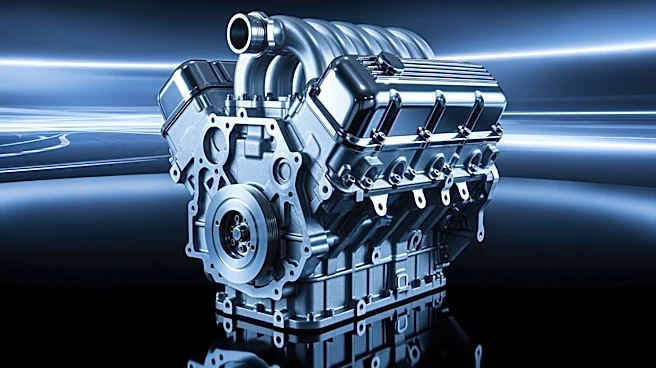
At the heart of every LMP2 car is a 4.2-liter V8 naturally-aspirated petrol engine. This engine is homologated,
meaning it meets specific standards set by the governing bodies to ensure fairness and consistency across the class. The engine's power output has been adjusted over the years to maintain a competitive balance with other classes, such as the Le Mans Hypercar.
The minimum weight for LMP2 cars is set at 950 kilograms (2,090 pounds). This weight includes all mechanical elements covered by the car's bodywork, ensuring that no components are exposed. The weight regulations are crucial for maintaining safety and performance standards, as well as ensuring a level playing field among competitors.
Dimensions and Aerodynamics
LMP2 cars have specific dimensional requirements that contribute to their aerodynamic efficiency and overall performance. The maximum length of an LMP2 car is 4,750 millimeters (187 inches), while the overall width ranges from 1,800 millimeters (71 inches) to 1,900 millimeters (75 inches). The maximum height is capped at 1,050 millimeters (41 inches).
Aerodynamics play a significant role in the performance of LMP2 cars. A single aero kit is mandatory across the whole season, limited to the Le Mans specification in the World Endurance Championship (WEC). This regulation helps teams manage costs while ensuring that all cars have similar aerodynamic capabilities.
Wheels, Fuel, and Chassis
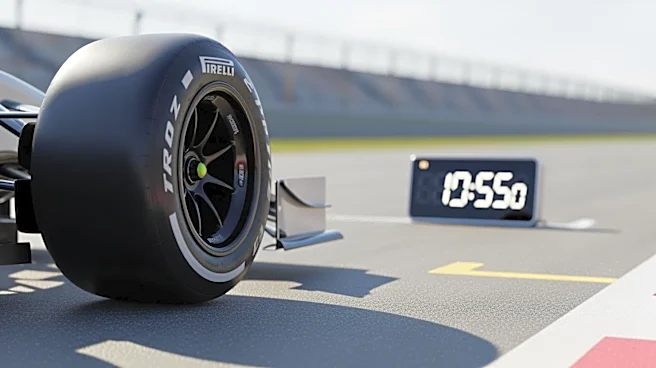
The wheels of LMP2 cars are also subject to specific regulations. The maximum wheel diameter is 690 millimeters (27 inches) for the front and 715 millimeters (28.1 inches) for the rear. The maximum wheel width is 342 millimeters (13.5 inches) for the front and 362 millimeters (14.3 inches) for the rear.
Fuel tank capacity is set at 75 liters (20 US gallons), which is crucial for endurance racing, where fuel efficiency and strategy play a significant role. The chassis of LMP2 cars must be closed-cockpit designs, constructed by one of the four exclusive chassis manufacturers selected by the FIA: Dallara, Onroak Automotive (Ligier), Oreca, and the joint-venture Riley Tech/Multimatic.
These technical specifications and regulations ensure that LMP2 cars remain competitive, safe, and cost-effective, making them a popular choice for teams in endurance racing series like the European Le Mans Series.