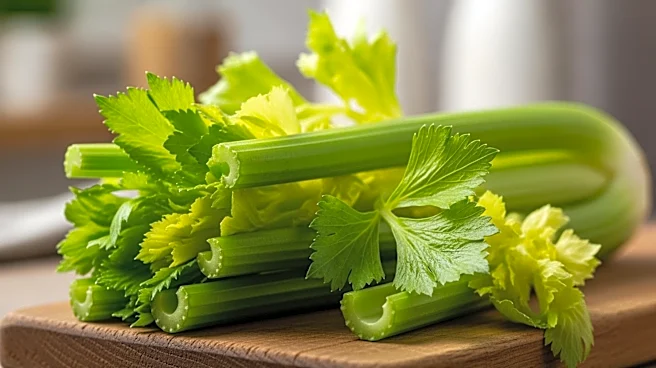




Celery, a versatile vegetable from the Apiaceae family, plays a significant role in culinary traditions across the globe. Known for its crisp texture and aromatic flavor, celery is used in a variety of dishes, from salads to stews. This article explores how different cultures incorporate celery into their cuisines, highlighting its diverse applications and significance.
Celery in European and North American Cuisine
In Europe and North America, celery is a staple ingredient in many dishes. The
crisp petiole, or leaf stalk, is commonly used in salads, providing a refreshing crunch. Celery is also a key component in the French mirepoix, a mixture of celery, onions, and carrots used as a base for sauces and soups.
In North America, celery is often paired with buffalo wings, serving as a cooling accompaniment to the spicy dish. Celery salt, made from ground celery seeds mixed with salt, is a popular seasoning used in cocktails like the Bloody Mary and on Chicago-style hot dogs. This versatile vegetable is celebrated for its ability to enhance flavors and add depth to various recipes.
Celery in Asian and Middle Eastern Dishes
Celery's influence extends to Asian and Middle Eastern cuisines, where it is used in unique ways. In Iran, celery is a key ingredient in the stew khoresh karafs, adding a mild spicy flavor to the dish. The leaves of celery are often used as a garnish or seasoning, providing a subtle peppery taste.
In China, celery has been used for its medicinal properties and as a condiment since ancient times. The vegetable's aromatic leaves are valued for their ability to enhance the flavor of soups and stews, showcasing its versatility in Asian cooking.
Celery's Global Impact and Modern Trends
Celery's global impact is evident in its widespread use and adaptation in various culinary traditions. The vegetable's ability to complement and enhance flavors has made it a favorite among chefs and home cooks alike. In recent years, a trend of drinking celery juice for detoxification purposes has emerged in the United States, although these claims lack scientific basis.
Despite its popularity, celery can provoke allergic reactions in some individuals, leading to strict labeling requirements in regions like the European Union. This highlights the importance of understanding celery's impact on health and its role in global culinary practices.
Celery's presence in diverse cuisines underscores its versatility and enduring appeal, making it a cherished ingredient worldwide.