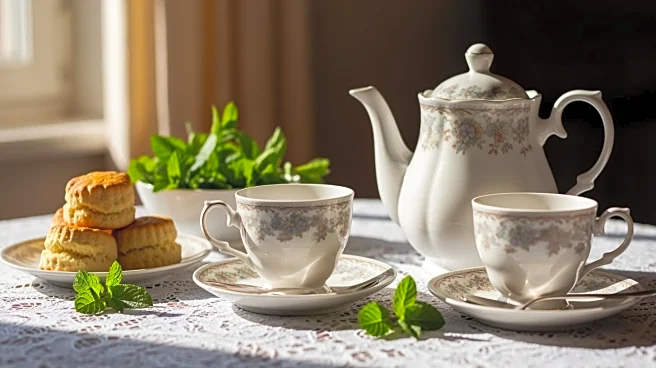

Tea, a beverage made from the leaves of the Camellia sinensis plant, has evolved into more than just a drink in British culture. It has become an integral part of various meals, each with its own traditions
and significance. This article explores the historical development of tea as a meal in Britain, highlighting its cultural importance and the different types of tea meals that have emerged over time.
The Origins of Tea as a Meal
The concept of tea as a meal in Britain dates back to the late 18th and early 19th centuries. Initially, tea was consumed as a fashionable breakfast drink and later became popular after dinner. As the timing of dinner shifted towards the evening, a gap emerged for a late-afternoon refreshment, leading to the establishment of the traditional English afternoon tea. This meal, complete with sandwiches and cakes, became a social gathering, as noted in early references by Fanny Burney and John Wesley.
The Duchess of Bedford is often credited with popularizing afternoon tea in the 1830s or 1840s. She found herself hungry between the midday and evening meals and requested tea and snacks to be sent to her room. This personal habit soon turned into a social event, with the duchess inviting friends to join her. Afternoon tea spread among the aristocracy and later to the middle class, becoming a staple of British culture.
Types of Tea Meals
In Britain, tea as a meal has evolved into several distinct types, each with its own characteristics. Afternoon tea, also known as "low tea," is a light meal typically eaten between 3:00 and 5:00 PM. It traditionally includes thinly sliced bread and butter, delicate sandwiches, cakes, and scones served with clotted cream and jam. The tea is usually served in a multi-tiered stand, with black tea varieties like Darjeeling and Earl Grey being popular choices.
High tea, on the other hand, is a heartier meal associated with the working class. It is typically eaten between 5:00 and 7:00 PM and includes savory dishes, cakes, bread, butter, and jam, all accompanied by tea. The name "high tea" originates from the practice of serving the meal at a high table.
Contemporary Significance
While the popularity of tea as a meal declined in the mid-20th century, it has experienced a revival in the 21st century. Hotels and restaurants have embraced the trend, offering afternoon tea services that extend beyond dining rooms into lounge areas. Establishments often provide a variety of tea options, including traditional black teas and herbal infusions.
In Britain, afternoon tea remains an important part of the country's gastronomic identity, with major hotels competing for the annual Afternoon Tea Awards. The tradition is also maintained in Canada and Australia, where afternoon tea ceremonies are celebrated in grand railway hotels and venues nationwide. Despite its evolution, tea as a meal continues to hold cultural significance, reflecting the enduring legacy of British tea culture.