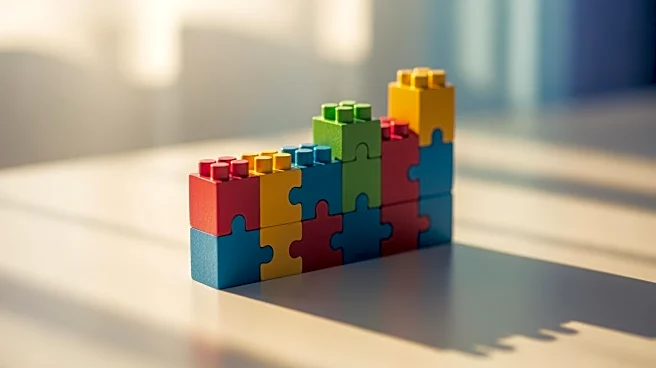




Early childhood development is a crucial phase in human growth, encompassing rapid physical, psychological, and social changes. This period, which begins before birth and extends into early childhood, lays the foundation for future cognitive and academic success. Understanding the significance of early childhood development can help parents, educators, and policymakers create environments that support optimal growth.
Physical and Cognitive Growth
During early childhood, children
experience significant physical growth, including the development of motor skills and brain maturation. The brain undergoes rapid development, with synaptic growth and myelination of neural fibers, particularly in the frontal lobes. This growth supports the development of cognitive abilities, such as problem-solving and language skills. By age five, children typically master hand-to-eye coordination and begin to speak more fluently.
Cognitive development during this stage is marked by the preoperational phase, as described by Jean Piaget. Children start to ask questions and build relationships with their surroundings. However, they still struggle with abstract thinking and rely on concrete experiences to understand the world. This stage is characterized by egocentrism, where children believe others share their thoughts and perspectives.
Social and Emotional Development
Social and emotional growth is another critical aspect of early childhood development. Children begin to understand their sense of self and form relationships with others. Emotional development includes the expression of basic emotions, such as joy, fear, and anger. Children also start to develop a sense of gender identity and exhibit behaviors associated with their gender.
During this period, children learn to navigate social interactions and develop social competence. They form close relationships with peers, which help build strong social connections. However, individual differences become more pronounced, with some children displaying more aggressive behaviors while others are more caring. Factors such as family background, socioeconomic status, and parental involvement can influence social and emotional development.
The Role of Environment and Education
The environment plays a vital role in early childhood development. Providing a nurturing and stimulating environment can enhance physical, cognitive, and social growth. Early childhood education programs, such as preschool and kindergarten, support development by offering structured learning experiences. These programs help children develop essential skills and prepare them for future academic success.
Parents and caregivers also play a crucial role in early childhood development. Love, affection, and encouragement from caregivers can positively impact a child's growth. Interactions with other children and adults help children develop social skills and learn from their surroundings. By understanding the importance of early childhood development, we can create supportive environments that foster healthy growth and set the stage for lifelong success.