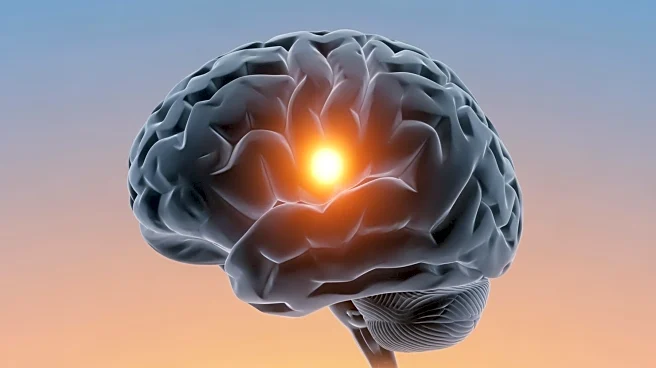




The amygdala is a vital brain structure involved in processing emotions, memory, and decision-making. Interestingly, its development varies between males and females, influencing behavior and emotional responses. This article examines the developmental differences in the amygdala and their implications for human behavior.
Early Development of the Amygdala
The amygdala undergoes significant growth during the early years of life. In both males and females, there is considerable development
within the first few years. However, the pace of growth differs between the sexes. Female limbic structures, including the amygdala, grow at a more rapid pace than male ones. As a result, the amygdala in females reaches its full growth potential approximately 1.5 years before it does in males.
This early development in females may have implications for emotional processing and behavior. The amygdala's role in processing fear and anxiety suggests that its early maturation could influence how females respond to emotional stimuli. Additionally, the amygdala's involvement in social interactions and emotional learning may be affected by these developmental differences.
Hemispheric Specializations and Development
The amygdala's development also varies between its right and left hemispheres. The left amygdala reaches its developmental peak approximately 1.5 to 2 years before the right amygdala. Despite this early growth, the right amygdala continues to increase in volume for a longer period.
These hemispheric differences have implications for emotional processing. The right amygdala is associated with processing negative emotions and fear-inducing stimuli. Its prolonged development may influence how individuals respond to fear and anxiety. In contrast, the left amygdala's early development may provide infants with the ability to detect danger, as it responds predominantly to fearful events and faces.
Implications for Behavior and Mental Health
The developmental differences in the amygdala have broader implications for behavior and mental health. The early maturation of the female amygdala may contribute to differences in emotional processing and social interactions between males and females. Additionally, the amygdala's role in fear and anxiety suggests that its development could influence susceptibility to anxiety disorders and other mental health conditions.
Understanding these developmental differences can provide insights into the biological basis of behavior and inform approaches to mental health treatment. By recognizing how the amygdala develops differently in males and females, researchers and clinicians can better understand the factors that contribute to emotional and behavioral differences.
In conclusion, the amygdala's development varies between males and females, with implications for emotional processing and behavior. These differences highlight the importance of considering biological factors in understanding human behavior and mental health.