
Food drying has come a long way from its ancient roots, evolving into a sophisticated process that utilizes modern technology to preserve food efficiently. Today, various methods are employed to dry food, each with its own advantages and applications. This article explores the contemporary techniques used in food drying, highlighting the innovations that have transformed this age-old practice.
Electric Dehydrators
One of the most common modern methods of food drying is
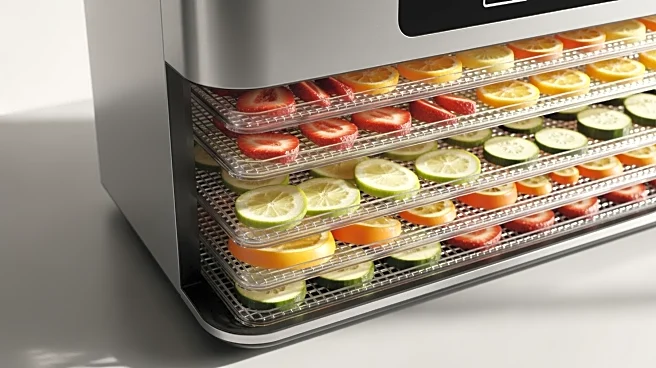
the use of electric food dehydrators. These appliances have become popular in households for their convenience and efficiency. Electric dehydrators work by circulating hot air around the food, removing moisture and preventing the growth of microorganisms. This method is particularly effective for drying fruits, vegetables, and meats, allowing for consistent results and preserving the food's nutritional value.
Electric dehydrators offer several advantages over traditional methods. They provide precise control over temperature and drying time, ensuring that food is dried evenly and thoroughly. This control helps retain the food's flavor and texture, making it a preferred method for home cooks and small-scale producers. Additionally, electric dehydrators are relatively affordable and easy to use, making them accessible to a wide range of users.
Freeze-Drying
Freeze-drying is another modern technique that has gained popularity for its ability to preserve food with minimal impact on flavor, texture, and nutritional content. This method involves flash freezing the food and then placing it in a vacuum chamber, where the water sublimates directly from solid to gas. The result is a lightweight, shelf-stable product that retains much of its original quality.
While freeze-drying is more expensive than other methods, it offers significant benefits, particularly for preserving delicate foods like fruits and vegetables. The process maintains the food's structure and nutritional value, making it ideal for products that require long-term storage. Freeze-dried foods are commonly used in backpacking, military rations, and emergency supplies due to their lightweight and durable nature.
Industrial Applications
In addition to household use, modern drying techniques are widely employed in industrial food production. Convective hot air drying is a popular method in the industry due to its simplicity and cost-effectiveness. This technique involves blowing hot air over the food, which speeds up the drying process and retains most of the food's nutritional properties.
Industrial drying methods are designed to handle large volumes of food, ensuring consistent quality and efficiency. These methods are crucial for producing a wide range of dried products, from instant noodles to powdered milk. The ability to preserve food on a large scale has significant implications for food security and supply chain management, making modern drying techniques an essential part of the global food industry.
In conclusion, modern methods of food drying have revolutionized the way we preserve food, offering greater control, efficiency, and quality. From electric dehydrators to industrial drying techniques, these innovations continue to build on the ancient practice of food drying, ensuring that it remains a vital part of our food systems today.