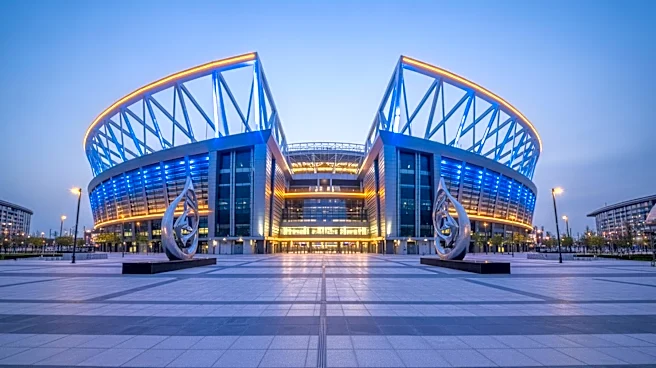








Foxboro Stadium, located in Foxborough, Massachusetts, was a significant venue for American football and other events from 1971 until its closure in 2002. Initially known as Schaefer Stadium, it was the home of the New England Patriots and witnessed numerous memorable moments in sports history. This article explores the stadium's development, its challenges, and its eventual replacement by Gillette Stadium.
The Birth of Schaefer Stadium
The journey of Foxboro Stadium began with
the New England Patriots' need for a permanent home. Before the stadium's construction, the team played in various venues around Boston, struggling to find a stable base. The construction of Schaefer Stadium started on September 23, 1970, and remarkably, it was completed in less than a year, opening on August 15, 1971. The stadium was named after its sponsor, the F. & M. Schaefer Brewing Company, marking one of the first instances of a naming rights deal in the United States.
Despite its quick construction, the stadium faced initial challenges. Traffic congestion on Route 1 and malfunctioning sanitary facilities were significant issues. These problems led to a temporary closure by the health department, prompting a unique test involving the simultaneous flushing of toilets to ensure the plumbing could handle large crowds.
Transition to Sullivan and Foxboro Stadium
In 1983, the naming rights deal with Schaefer Brewing ended, and the stadium was renamed Sullivan Stadium after the Patriots' owner family. However, financial difficulties led to the sale of the team and the stadium. In 1988, Robert Kraft and his business partner Steve Karp acquired the stadium, renaming it Foxboro Stadium. Despite the change in ownership, the stadium continued to lack modern amenities, such as luxury boxes, which were becoming standard in newer venues.
The stadium's capacity of 60,292 made it one of the smallest in the NFL by the late 1990s. Its lack of comfort and modern facilities highlighted the need for a new venue. The Patriots' success on the field, including their first Super Bowl win in 2001, underscored the necessity for a stadium that matched the team's growing prestige.
The Arrival of Gillette Stadium
The decision to replace Foxboro Stadium culminated in the construction of Gillette Stadium, which opened in September 2002. Located just a short distance from the old stadium, Gillette Stadium offered modern amenities and a larger capacity, addressing the shortcomings of its predecessor. The site of the former Foxboro Stadium was initially used for parking before being developed into the Patriot Place shopping center, which opened in 2007.
The transition from Foxboro Stadium to Gillette Stadium marked a new era for the New England Patriots and the region. While Foxboro Stadium played a crucial role in the team's history, its replacement signified progress and the evolution of sports venues to meet contemporary demands.