



The Triple Goddess is a powerful symbol in Neopaganism, representing the Maiden, Mother, and Crone. This triune figure embodies the phases of the moon and the stages of a woman's life, offering a rich tapestry of symbolism and cultural significance. While rooted in ancient beliefs, the Triple Goddess has had a profound impact on modern spirituality, literature, and feminist thought. This article explores the symbolism of the Triple Goddess and her cultural impact in contemporary
society.
Symbolism of the Triple Goddess
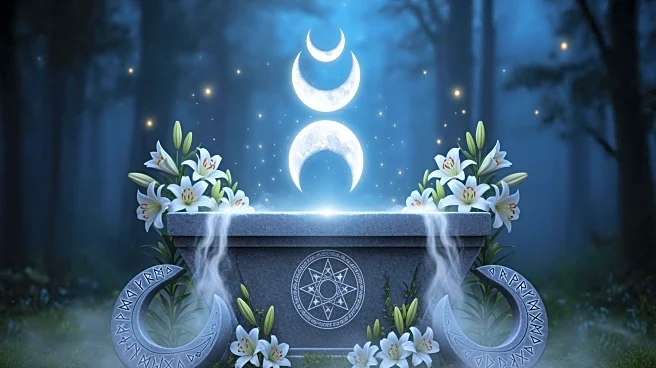
The Triple Goddess is often associated with the phases of the moon: the waxing moon represents the Maiden, the full moon symbolizes the Mother, and the waning moon embodies the Crone. These phases correspond to the stages of a woman's life, highlighting the cyclical nature of existence. The Maiden represents youth, new beginnings, and potential; the Mother embodies fertility, nurturing, and fulfillment; and the Crone symbolizes wisdom, endings, and transformation.
This symbolism extends beyond the individual, reflecting the interconnectedness of all things. The Triple Goddess serves as a reminder of the natural cycles of birth, life, and death, and the continuous flow of energy in the universe. Her association with the moon further emphasizes the connection between the divine feminine and the natural world, making her a central figure in Neopagan spirituality.
Cultural Impact and Feminist Thought
The Triple Goddess has had a significant impact on feminist thought, offering a narrative of female empowerment and spiritual connection. Her representation of the divine feminine challenges patriarchal structures and provides a framework for understanding the complexities of womanhood. Many feminist movements have embraced the Triple Goddess as a symbol of strength, resilience, and autonomy.
In literature and art, the Triple Goddess has inspired countless works that explore themes of femininity, transformation, and the sacred. Authors like Margaret Atwood and Terry Pratchett have incorporated the Triple Goddess into their narratives, using her as a lens to examine the roles and expectations placed on women. This cultural impact extends to film, music, and other forms of media, where the Triple Goddess continues to inspire and provoke thought.
The Triple Goddess in Modern Spirituality
In modern Neopaganism, the Triple Goddess is revered as a symbol of the divine feminine and a guide for spiritual growth. Her presence in rituals and ceremonies offers practitioners a way to connect with their own inner strength and intuition. The Triple Goddess serves as a reminder of the power and potential inherent in the female experience, making her a central figure in contemporary spiritual practices.
The cultural impact of the Triple Goddess extends beyond Neopaganism, influencing various aspects of modern society. Her symbolism resonates with those seeking a deeper understanding of the feminine and the cycles of life, offering a narrative of empowerment and transformation. As a symbol of the divine feminine, the Triple Goddess continues to inspire and guide those who seek to connect with the sacred and the natural world.