

Nashville Superspeedway, located near Lebanon, Tennessee, has undergone significant changes since its opening in 2001. Originally built to capitalize on the rising popularity of stock car racing, the track has seen periods of both prosperity and decline. This article explores the historical development of Nashville Superspeedway, highlighting key milestones and transformations that have shaped its current status.
Early Years and Initial Success
The idea for Nashville Superspeedway
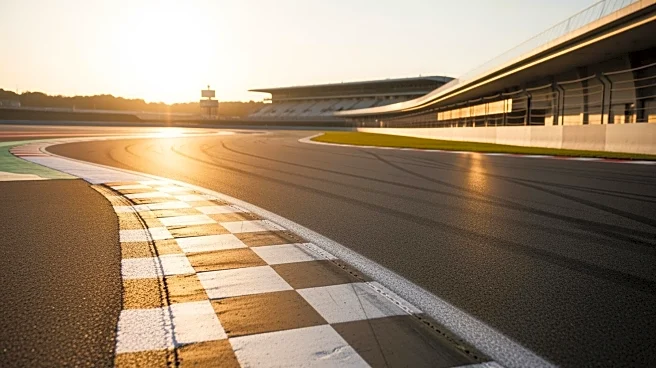
was conceived in the late 1990s during a boom in NASCAR's popularity. Dover Downs Entertainment announced plans for the track in 1997, aiming to bring NASCAR Cup Series racing back to the Nashville area. The track officially opened in 2001, hosting events like the Indy Racing League and NASCAR Busch Series. Despite initial excitement, the track struggled to secure a Cup Series race, which led to declining attendance and financial difficulties.
During its early years, Nashville Superspeedway was known for its concrete racing surface, a rarity among NASCAR tracks. The facility also included a road course layout, although plans for further expansion, such as a drag strip and short track, were eventually abandoned. Despite these challenges, the track managed to host several successful events, including its first IRL race in 2001.
Decline and Abandonment
By 2011, Nashville Superspeedway faced numerous issues, including financial debt and lackluster attendance. The addition of Kentucky Speedway to the Cup Series schedule further diminished hopes of securing a Cup Series race. Consequently, Dover Motorsports announced the track's closure for the 2012 season, leaving it abandoned for nearly a decade.
During this period, the track was put up for sale multiple times, with several deals falling through. The facility was used primarily for testing and car storage, with little hope of revival. However, in 2020, Dover Motorsports surprised the racing community by announcing the return of NASCAR racing to Nashville Superspeedway, including a Cup Series event.
Resurgence and Current Status
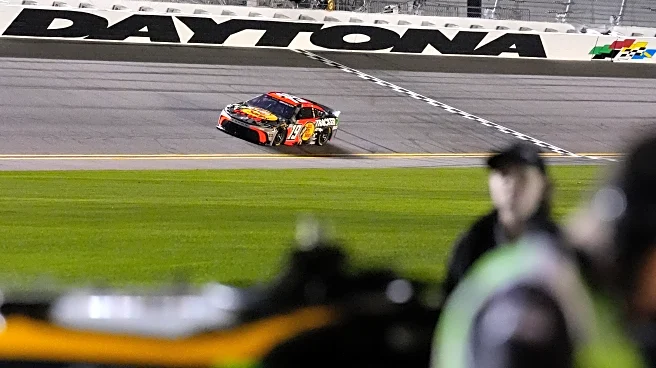
The reopening of Nashville Superspeedway marked a new chapter in its history. Speedway Motorsports acquired the track in 2021, bringing fresh management and renewed interest in racing events. The track now hosts NASCAR Cup Series, Xfinity Series, and Craftsman Truck Series races, drawing significant crowds and media attention.
Under the leadership of general manager Matt Greci, Nashville Superspeedway has seen improvements in infrastructure and amenities. The track's seating capacity has been adjusted to accommodate larger audiences, with temporary grandstands increasing capacity to 38,000. As the track continues to evolve, it remains a key player in the motorsport industry, showcasing the resilience and adaptability of Nashville Superspeedway.