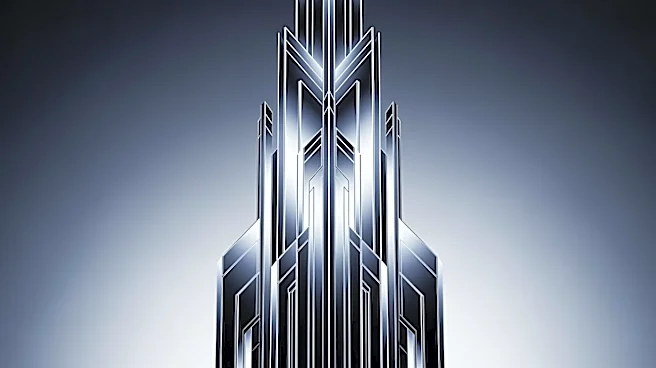








The Chrysler Building stands as a testament to the Art Deco movement, a style characterized by its bold geometric patterns, rich materials, and intricate ornamentation. Designed by architect William Van Alen, the building is a masterpiece of this architectural style, showcasing the elegance and innovation that defined the era. Its design elements not only contribute to its aesthetic appeal but also reflect the cultural and technological advancements
of the early 20th century.
The Crown Jewel: The Spire and Crown
One of the most striking features of the Chrysler Building is its spire and crown, which epitomize the Art Deco style. The spire, made of stainless steel, was a revolutionary design choice at the time, contributing to the building's status as the tallest in the world upon its completion. The crown, composed of seven radiating terraced arches, is adorned with triangular vaulted windows that create a sunburst pattern, reminiscent of the spokes of a wheel.
The use of stainless steel was not only a stylistic choice but also a technological innovation. It allowed for a bright, reflective surface that accentuated the building's height and elegance. The spire and crown are integral to the building's silhouette, making it instantly recognizable and a beloved icon of New York City's skyline.
Ornamental Details: Gargoyles and Eagles
The Chrysler Building is renowned for its ornamental details, which are quintessentially Art Deco. The building features approximately fifty metal ornaments that protrude from its corners, reminiscent of gargoyles found on Gothic cathedrals. These ornaments, located on five floors, add a sense of grandeur and whimsy to the building's design.
On the 31st floor, the building is adorned with replicas of 1929 Chrysler radiator caps, while the 61st floor features eagles, a nod to America's national bird. These elements not only serve as decorative features but also symbolize the building's connection to the Chrysler Corporation and the automotive industry. The use of such motifs reflects the era's fascination with machinery and progress, themes central to the Art Deco movement.
The Lobby: A Showcase of Art Deco Design
The interior of the Chrysler Building is equally impressive, particularly its lobby, which is a showcase of Art Deco design. The lobby features African red granite walls, Nirosta steel doors, and intricate appliqués that embody the style's emphasis on luxury and craftsmanship. The ceiling mural, titled "Transport and Human Endeavor," pays homage to the Machine Age and the Golden Age of Aviation, further emphasizing the building's connection to technological advancement.
The lobby's design was intended to impress visitors and tenants, reflecting Walter Chrysler's desire to create a building that was both functional and aesthetically stunning. The use of high-quality materials and attention to detail in the lobby's design are hallmarks of the Art Deco style, contributing to the building's reputation as a masterpiece of architecture.
The Chrysler Building remains a symbol of Art Deco elegance, celebrated for its innovative design and enduring beauty. Its architectural features continue to captivate admirers and inspire architects, solidifying its place as one of the most iconic buildings in the world.