

Lunch, as we know it today, has undergone significant changes throughout history. From its origins in the Middle Ages to its current form, lunch has evolved in response to shifts in work patterns, social customs, and economic conditions. This article traces the historical development of lunch, highlighting key milestones and turning points that have shaped its role in daily life.
Lunch in the Middle Ages
During the Middle Ages, the main meal of the day was referred to as dinner
and was typically consumed late in the morning after several hours of work. This meal was substantial, as it was eaten before the advent of artificial lighting, allowing people to make the most of daylight hours. The timing and nature of this meal were influenced by the agrarian lifestyle, where work began early and required sustenance to fuel labor-intensive activities.
As society progressed into the early 17th century, the timing of this main meal began to shift. It could occur any time between late morning and mid-afternoon, reflecting changes in social and economic structures. This period marked the beginning of lunch as a distinct meal, filling the gap between breakfast and dinner.
The Rise of Lunch in the Industrial Era
The industrialization of the 19th century brought about significant changes in eating habits. As workers moved away from home to work in factories, the midday meal had to become more portable. Initially, workers returned home for a quick dinner provided by their wives, but as workplaces moved further away, lunch became a necessity.
This shift led to the institutionalization of lunch in England, where workers with long and fixed-hour jobs were given an hour off to eat. Stalls and chop houses near factories began offering mass-produced food, making lunch an established part of the daily routine. This development marked a turning point in the evolution of lunch, as it adapted to the demands of modern work life.
Modern Lunch Practices
Today, lunch continues to evolve, influenced by cultural, economic, and technological factors. In many countries, lunch is the main meal, with businesses closing to allow workers to eat with their families. In others, lunch is a lighter meal, designed to be quick and convenient.
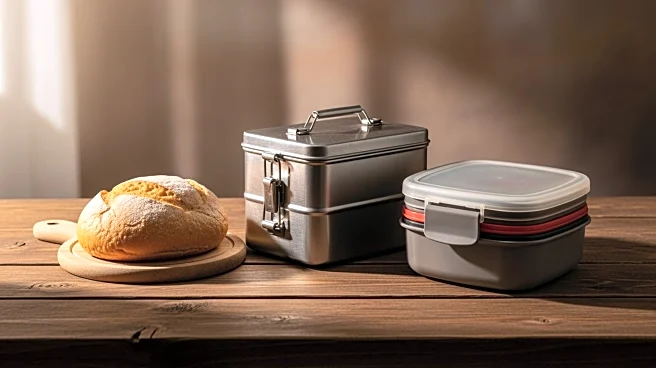
The modern lunch reflects a balance between tradition and practicality, with options ranging from packed lunches to restaurant meals. Despite these changes, lunch remains an integral part of daily life, serving as a moment of respite and nourishment in the midst of busy schedules.