








On June 14, 1985, TWA Flight 847 was hijacked shortly after taking off from Athens, marking the beginning of a harrowing 17-day ordeal. The flight, originally scheduled to travel from Cairo to San Diego with several stops, was taken over by Hezbollah militants. This article explores the timeline of events that unfolded during this tense period, highlighting the key moments and decisions that defined the hijacking.
The Initial Hijacking
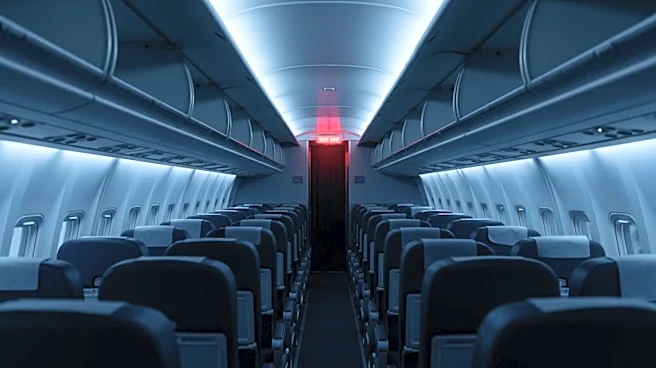
TWA Flight 847 was a Boeing 727-200,
carrying 155 occupants, including 147 passengers and 8 crew members. The hijacking began soon after the plane departed from Athens, Greece, en route to Rome. Two Lebanese men, armed with a pistol and grenades, took control of the aircraft. They assaulted the flight service manager, Uli Derickson, and forced their way into the cockpit, where they attacked the pilots.
The hijackers demanded the release of 766 Shia Muslims held by Israel, forcing the plane to divert from its original course. The first stop was Beirut, Lebanon, where the hijackers negotiated for fuel in exchange for releasing 19 passengers. The plane then flew to Algiers, where further demands were made, and more passengers were released.
Escalation and Violence
The situation escalated when the plane returned to Beirut. The hijackers, now joined by additional militants, began to separate passengers with Jewish-sounding names. During this stop, U.S. Navy diver Robert Stethem was brutally beaten and murdered, his body thrown onto the tarmac. This act of violence underscored the severity of the hijackers' resolve.
The plane made several more trips between Beirut and Algiers, with the hijackers releasing hostages in exchange for fuel and other demands. The Greek government released an accomplice to the hijackers, further complicating the situation. Throughout these tense days, the hijackers maintained their demands for the release of prisoners, while the hostages endured harsh conditions.
Resolution and Aftermath
The ordeal finally came to an end on June 30, 1985, after intense negotiations involving U.S. President Ronald Reagan and Lebanese officials. The remaining hostages were released after a settlement was reached, which included the release of Lebanese prisoners by Israel. The hostages were transported to safety and eventually returned to the United States, where they were welcomed by Vice President George H. W. Bush.
The hijacking of TWA Flight 847 remains a significant event in aviation history, highlighting the complexities of international terrorism and hostage negotiations. The incident also led to increased security measures in airports worldwide, as authorities sought to prevent similar occurrences in the future.