

Mixed martial arts (MMA) is more than just a sport; it is a cultural phenomenon that has influenced societies around the world. From its origins in ancient combat traditions to its modern-day status as a global sport, MMA has left a significant mark on various cultures. This article explores the cultural and social impact of MMA, highlighting its influence across different regions and communities.
Global Popularity
The rise of mixed martial arts as a global sport has
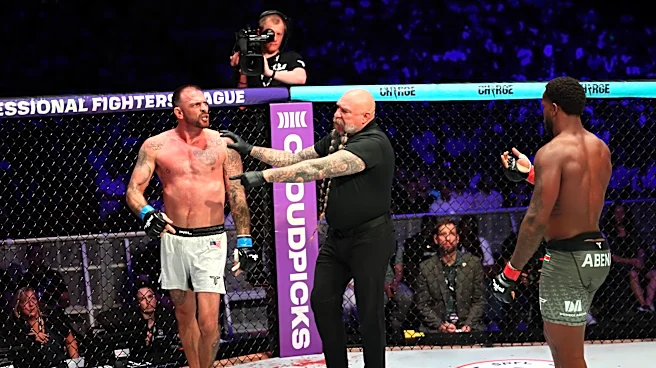
been remarkable. With organizations like the UFC leading the charge, MMA has gained a massive following worldwide. The sport's appeal lies in its dynamic nature, combining techniques from various martial arts disciplines. This fusion of styles has attracted fans from diverse backgrounds, making MMA a truly international sport.
In Asia, martial arts have long been an integral part of cultural heritage. The popularity of MMA in countries like Japan, China, and South Korea reflects the deep-rooted martial arts traditions in these regions. The influence of Asian martial arts is evident in the techniques and philosophies adopted by MMA fighters. The sport has also contributed to the global spread of traditional martial arts, with practices like Brazilian jiu-jitsu and Muay Thai gaining international recognition.
Influence on Popular Culture
Mixed martial arts has had a significant impact on popular culture, particularly in the West. The "kung fu wave" of Hong Kong action cinema in the 1970s, led by martial artists like Bruce Lee, played a crucial role in popularizing martial arts in global popular culture. This era produced Hollywood action stars with martial arts backgrounds, such as Jean-Claude Van Damme and Chuck Norris, further cementing the sport's place in entertainment.
The influence of MMA extends beyond movies and television. The sport has inspired video games, clothing lines, and fitness programs, making it a staple in modern pop culture. The rise of MMA-themed reality shows and documentaries has also contributed to its widespread appeal, providing fans with an inside look at the lives of fighters and the challenges they face.
Social Impact
Mixed martial arts has also had a profound social impact, particularly in terms of promoting discipline, respect, and self-defense. Many martial arts schools emphasize the importance of mental and spiritual development, teaching students to cultivate inner peace and self-control. This focus on personal growth has made MMA an attractive option for individuals seeking to improve their physical and mental well-being.
In conclusion, the cultural and social impact of mixed martial arts is undeniable. As the sport continues to evolve and gain popularity, its influence on societies around the world will only grow stronger, shaping the way we view martial arts and combat sports.