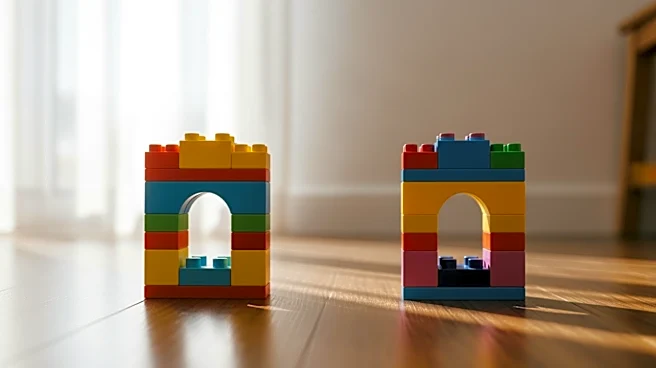






Parallel play is not only a crucial stage in child development but also a valuable tool in educational settings. By understanding how parallel play functions in the classroom, educators can create environments that foster active involvement and social development among students.
Parallel Play in the Classroom
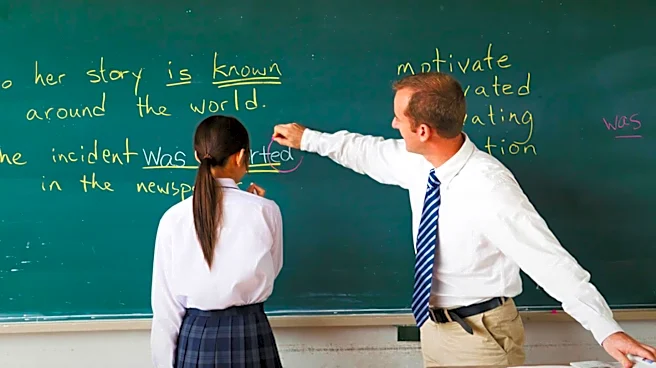
In educational contexts, parallel play involves students working on the same activity simultaneously in pairs or small groups. This method ensures that all students have equal opportunities for active participation, as everyone is engaged in the task rather than observing others. This approach can be particularly beneficial in reducing the pressure on students, as they are not singled out or put on the spot.The use of parallel play in the classroom allows students to learn from one another without the need for direct interaction. As they work alongside their peers, students can
observe different approaches and techniques, which can enhance their understanding and skills. This method also helps students transition into more interactive forms of play and learning, such as group projects and cooperative activities.
Supporting Social Development Through Parallel Play
Parallel play is an effective way to support social development in children, especially those who may be neglected or rejected by their peers. By engaging in parallel play, these children can gradually develop the skills necessary for more interactive forms of play and social interaction. This stage provides a safe space for children to practice social skills without the pressure of direct engagement.Incorporating parallel play into educational activities can help children build confidence and social awareness. As they play alongside others, children learn to share, take turns, and become more attuned to the emotions of their peers. This stage also encourages the expression of feelings and helps children understand the concept of cause and effect through trial and error.
Enhancing Learning Through Parallel Play
Parallel play can also enhance learning by promoting the development of language and motor skills. As children engage in parallel play, they have the opportunity to practice new vocabulary and communication skills in a natural setting. This stage also supports the development of fine and gross motor skills through hands-on activities.By incorporating parallel play into the classroom, educators can create a dynamic learning environment that supports both social and cognitive development. This approach not only helps children transition into more interactive forms of play but also lays the foundation for lifelong learning and social skills.