
Irritant diaper dermatitis, commonly known as diaper rash, is a prevalent skin condition affecting infants and adults with incontinence. Despite its name, the rash is not caused by the diaper itself but
by irritants trapped by the diaper, such as urine and feces. This article delves into the causes and symptoms of irritant diaper dermatitis, providing a comprehensive understanding of this common dermatological issue.
Causes of Irritant Diaper Dermatitis
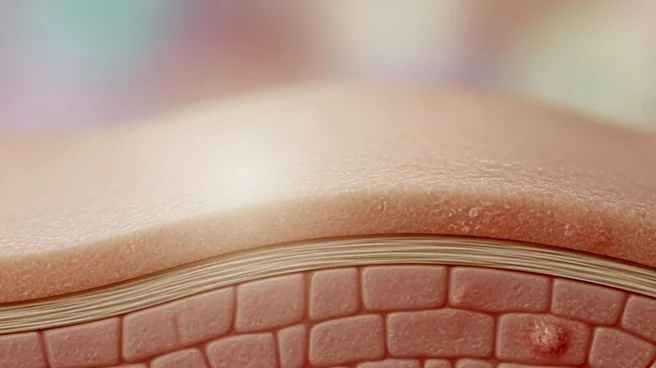
Irritant diaper dermatitis develops when the skin is exposed to prolonged wetness and increased skin pH due to the combination of urine and feces. This exposure leads to the breakdown of the stratum corneum, the outermost layer of the skin. In infants, this layer is thinner and more susceptible to disruption, making them more prone to diaper rash. Factors such as diarrhea, frequent stools, tight diapers, and overexposure to ammonia can exacerbate the condition.
In adults, the stratum corneum consists of 25 to 30 layers of dead keratinocytes, which are continuously shed and replaced. These cells are interlaid with lipids that create a waterproof barrier. However, when this barrier is compromised, irritant diaper dermatitis can occur. In adults with incontinence, the condition is sometimes referred to as incontinence-associated dermatitis.
Symptoms of Irritant Diaper Dermatitis
The symptoms of irritant diaper dermatitis are characterized by patches of erythema and scaling, primarily seen on the convex surfaces of the skin, with the skin folds typically spared. When secondary bacterial or fungal infections are involved, the rash may spread to concave surfaces, such as skin folds, and exhibit a central red, beefy erythema with satellite pustules around the border.
In cases where the rash persists for more than three days, it may be colonized by Candida albicans, leading to diaper candidiasis. This condition presents as a beefy red rash with sharply defined margins. The presence of secondary infections can complicate the diagnosis and treatment of irritant diaper dermatitis.
Differentiating from Other Dermatitis Types
Irritant diaper dermatitis is often confused with other types of dermatitis, such as seborrheic dermatitis and atopic dermatitis. Seborrheic dermatitis is characterized by oily, thick yellowish scales, commonly seen on the scalp but can also appear in the inguinal folds. Atopic dermatitis, or eczema, is associated with allergic reactions and can appear anywhere on the body, often causing intense itchiness.
Understanding the specific causes and symptoms of irritant diaper dermatitis is crucial for effective treatment and management. By recognizing the unique characteristics of this condition, caregivers and healthcare providers can better address the needs of those affected.