





The Second Bank of the United States was not just a financial institution; it was a focal point of intense political debate and controversy. From its inception in 1816 to its dissolution in 1836, the bank was at the center of a national discourse on federal power, economic policy, and democratic principles. This article explores the political controversies that surrounded the bank, highlighting the key figures and events that shaped its tumultuous
history.
The Bank's Establishment and Early Opposition
The establishment of the Second Bank of the United States was driven by the need to stabilize the American economy after the War of 1812. However, its creation was met with opposition from various political factions. The bank was chartered under President James Madison, who had previously opposed the First Bank of the United States as unconstitutional. This shift in stance was indicative of the changing political landscape and the growing recognition of the need for a national financial institution.
Opposition to the bank came from "Old Republicans" like John Taylor of Caroline and John Randolph of Roanoke, who viewed it as a threat to state sovereignty and Jeffersonian agrarianism. They argued that the bank was constitutionally illegitimate and feared it would undermine the institution of slavery. Additionally, private banks, which had proliferated during the absence of a national bank, saw the Second Bank as a competitor and a regulatory threat.
The Bank War and Andrew Jackson's Veto
The most significant political controversy involving the Second Bank occurred during the presidency of Andrew Jackson. Known as the Bank War, this conflict was a defining moment in Jackson's administration and American political history. Jackson, a staunch opponent of the bank, viewed it as a symbol of elite corruption and a threat to American democracy. He believed that the bank concentrated too much power in the hands of a few wealthy individuals and was unconstitutional.
In 1832, Jackson vetoed a bill to renew the bank's charter, setting off a fierce political battle. The bank's president, Nicholas Biddle, and pro-bank National Republicans, led by Henry Clay, clashed with Jackson and his supporters. Jackson's veto message articulated his belief that the bank was a privileged institution that favored the wealthy at the expense of ordinary Americans. The veto was sustained, and Jackson's re-election in 1832 was seen as a mandate to dismantle the bank.
The Aftermath and Legacy
Following his re-election, Jackson took decisive action to weaken the Second Bank by removing federal deposits and placing them in state banks, known as "pet banks." This move effectively ended the bank's regulatory role and led to its liquidation in 1841. The absence of a central bank contributed to economic instability, culminating in the Panic of 1837, a financial crisis that had lasting repercussions.
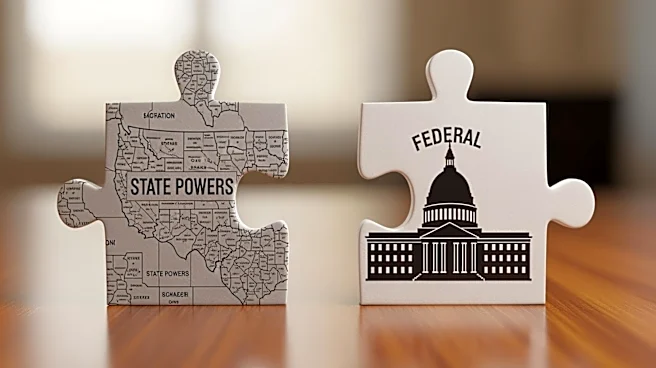
The political controversies surrounding the Second Bank of the United States had a profound impact on American politics and economic policy. The Bank War solidified Jackson's legacy as a champion of the common man and a defender of democratic principles. However, it also highlighted the challenges of balancing federal and state powers and the complexities of regulating a national economy.
The debates over the Second Bank of the United States continue to resonate in discussions about the role of government in the economy and the balance of power between federal and state authorities. The bank's history serves as a reminder of the enduring tensions that shape American political and economic life.