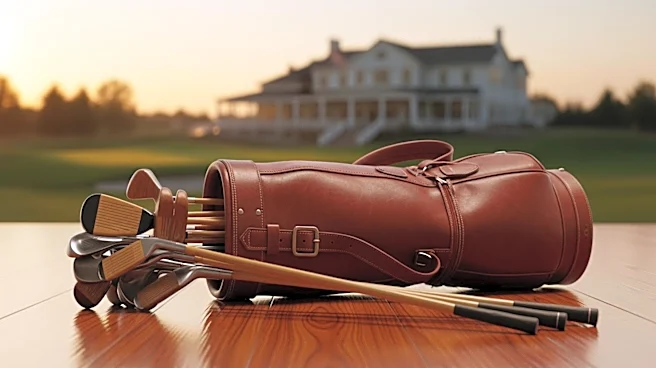







The 1929 Ryder Cup was a notable event in golf history, not only for the competition itself but also for the journey undertaken by the American team. Led by the legendary Walter Hagen, the U.S. team embarked on a transatlantic voyage to compete against Great Britain at Moortown Golf Club in Leeds, England. This journey was emblematic of the dedication and commitment required to participate in such a prestigious international event.
The Voyage Across the Atlantic
The American team
traveled to England aboard the RMS Mauretania, a journey that highlighted the international nature of the Ryder Cup. The team arrived in Plymouth on April 16, 1929, and proceeded to London the same day. This voyage was not just a logistical necessity but also a testament to the growing importance of the Ryder Cup as a global sporting event. The team's arrival in England was a significant moment, marking the beginning of their quest to reclaim the Cup from Great Britain.
The American Team's Composition
Walter Hagen, a renowned golfer and captain of the U.S. team, led a group of talented players to the 1929 Ryder Cup. The team included notable golfers such as Leo Diegel, Johnny Farrell, and Gene Sarazen, each bringing their unique skills and experience to the competition. Hagen's leadership was crucial in organizing the team and strategizing for the matches ahead. Despite the challenges posed by the weather and the formidable British team, the American players demonstrated their skill and determination throughout the event.
The Matches and Outcome
The 1929 Ryder Cup followed a match play format, with the American team initially gaining a narrow lead after the foursome matches. However, the British team excelled in the singles matches, ultimately securing a 7-5 victory. Despite the loss, the American team's participation in the Ryder Cup was a significant achievement, showcasing their dedication to the sport and their ability to compete on an international stage. The experience gained from this competition would serve as a valuable lesson for future Ryder Cup events.