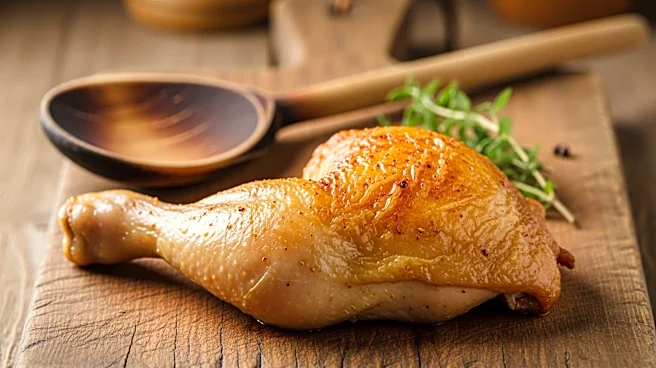

Chicken has been a part of human diets for thousands of years, evolving from a luxury item to a common staple. Its journey through history reflects changes in agriculture, culture, and cuisine. This article
traces the historical development of chicken as a food source.
Ancient and Medieval Times
The domestication of chickens began thousands of years ago in the northern parts of the Indian subcontinent. Early depictions of chicken as a food source can be found in Babylonian carvings from around 600 BC. These ancient records highlight the long-standing presence of chicken in human diets.
During the Middle Ages, chicken was one of the most common meats available. It was consumed in various forms, including capons, pullets, and hens. Chicken was also a key ingredient in dishes like blancmange, a stew made with chicken, fried onions, milk, spices, and sugar. This period marked the widespread acceptance of chicken as a versatile and valuable food source.
The Rise of Chicken in Modern Times
In the United States, chicken was once considered a luxury item, more expensive than other meats. However, its consumption increased during World War II due to shortages of beef and pork. This shift helped establish chicken as a more accessible and popular choice for American consumers.
In Europe, chicken consumption overtook that of beef and veal in 1996, driven by health concerns such as mad cow disease. This change in dietary preferences further solidified chicken's status as a staple in modern diets. The poultry industry's ability to produce chicken efficiently and affordably has played a significant role in its widespread availability.
Chicken in the Contemporary Culinary Scene
Today, chicken is a global culinary staple, featured in a wide range of dishes across different cultures. Its versatility allows it to be prepared in numerous ways, from traditional recipes to innovative culinary creations. The rise of fast food has also contributed to chicken's popularity, with prepared chicken becoming a staple in quick-service restaurants.
As the demand for chicken continues to grow, the poultry industry faces challenges related to sustainability and animal welfare. These issues are shaping the future of chicken production and consumption, as consumers become more conscious of the ethical and environmental implications of their food choices.
In conclusion, chicken's historical journey from ancient delicacy to modern staple reflects its adaptability and enduring appeal. As it continues to evolve, chicken remains a vital part of global culinary traditions.