



Matrixyl, a well-known name in the skincare industry, is a trade name for palmitoyl pentapeptide-4. This compound is celebrated for its anti-wrinkle properties and its ability to stimulate collagen production. Understanding the science behind Matrixyl can provide insights into why it is a favored ingredient in many cosmetic products.
The Chemical Composition of Matrixyl
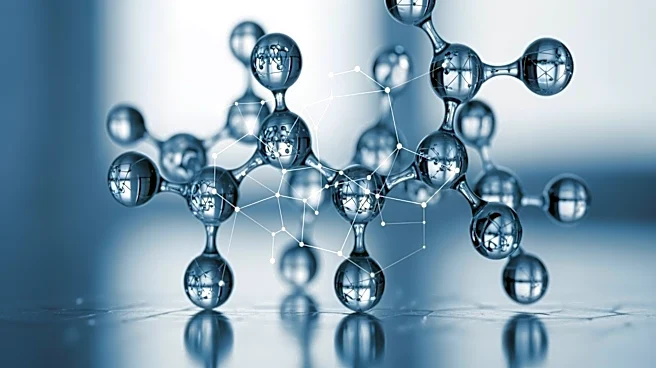
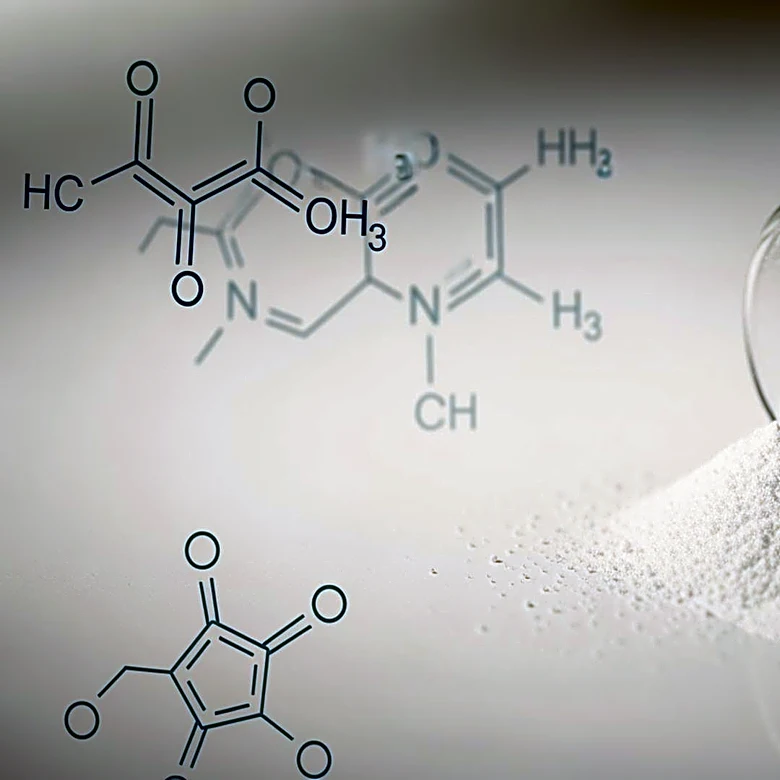
Matrixyl, or palmitoyl pentapeptide-4, is a matrikine, which is a type of messenger peptide. It consists of a sequence
of five amino acids linked to a 16-carbon aliphatic chain. This structure is designed to enhance the penetration of the molecule through the lipid structures of the skin. The specific sequence of amino acids in Matrixyl is Pal-Lys-Thr-Thr-Lys-Ser, also known as Pal-KTTKS.
The inclusion of the palmitoyl chain is crucial as it improves the molecule's ability to penetrate the skin's lipid layers. This enhanced penetration is what allows Matrixyl to effectively reach the deeper layers of the skin where it can exert its effects. By interacting with specific receptors, matrikines like Matrixyl can regulate cell activities, including the activation of genes involved in extracellular matrix renewal and cell proliferation.
How Matrixyl Works in Skincare
Matrixyl's primary function in skincare is its anti-wrinkle effect. This is achieved through the activation of the neosynthesis of extracellular matrix macromolecules. By promoting the production of collagen and other essential proteins, Matrixyl helps to maintain the skin's structural integrity and elasticity.
Studies conducted both in vitro and in vivo have demonstrated the efficacy of Matrixyl in reducing wrinkles and fine lines. These studies have shown that Matrixyl can significantly improve the appearance of the skin by enhancing its firmness and reducing the depth of wrinkles. The peptide's ability to stimulate collagen production is a key factor in its effectiveness as an anti-aging ingredient.
The Broader Impact of Matrixyl in Cosmetics
Since its introduction in 2000, Matrixyl has become a staple in the personal care industry. Developed by the French cosmetic ingredient manufacturer Sederma SAS, Matrixyl has been incorporated into a wide range of skincare products. Its popularity is largely due to its proven ability to deliver visible results in reducing the signs of aging.
The success of Matrixyl has also paved the way for the development of other similar peptides. These peptides, like palmitoyl tripeptide-38, are designed to offer similar benefits by stimulating the production of collagen and other key proteins in the skin. As research continues, the role of peptides like Matrixyl in skincare is likely to expand, offering new possibilities for anti-aging treatments.