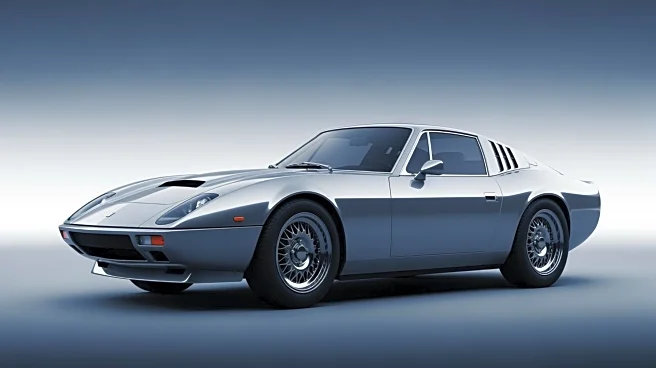

The Toyota Celica has long been celebrated for its stylish design and innovative features, making it a standout in the world of sports cars. From its inception in 1970 to its discontinuation in 2006, the Celica underwent
numerous design transformations that not only kept it relevant but also influenced automotive aesthetics across the industry. This article explores the design evolution of the Celica and its lasting impact on car design.
Early Design Influences
When the Toyota Celica was first introduced in 1970, it was designed to capture the spirit of the era's popular sports cars. Drawing inspiration from the Ford Mustang, the Celica offered a sleek, sporty appearance that appealed to a new generation of drivers. Its two-door coupe design, combined with a long hood and short rear deck, gave it a distinctive profile that set it apart from other vehicles on the road.
The introduction of the Liftback model in the mid-1970s further enhanced the Celica's appeal. With its fastback design and increased cargo space, the Liftback offered a more versatile option for drivers who wanted both style and practicality. This model's design was so well-received that it became a staple in the Celica lineup for years to come.
Innovations in the 1980s and 1990s
The 1980s marked a significant shift in the Celica's design, as Toyota embraced a more modern, aerodynamic look. The transition from rear-wheel drive to front-wheel drive in 1986 allowed for a sleeker body style, with smoother lines and improved aerodynamics. This change not only enhanced the car's performance but also set a new standard for sports car design.
During this period, the Celica also introduced several innovative features, such as pop-up headlights and a more aggressive front fascia. These design elements became iconic, influencing the aesthetics of other sports cars in the market. The Celica's commitment to innovation continued into the 1990s, with each new generation incorporating the latest in automotive technology and design trends.
Lasting Legacy
Although the Toyota Celica was discontinued in 2006, its impact on automotive design endures. The Celica's emphasis on style and innovation paved the way for future sports cars, inspiring manufacturers to push the boundaries of design and performance. Its influence can still be seen in Toyota's current lineup, as well as in the broader automotive industry.
The Celica's legacy is a testament to the power of design in shaping the identity of a vehicle. By continually evolving and adapting to changing trends, the Celica remained a beloved icon in the world of sports cars, leaving a lasting impression on car enthusiasts and designers alike.