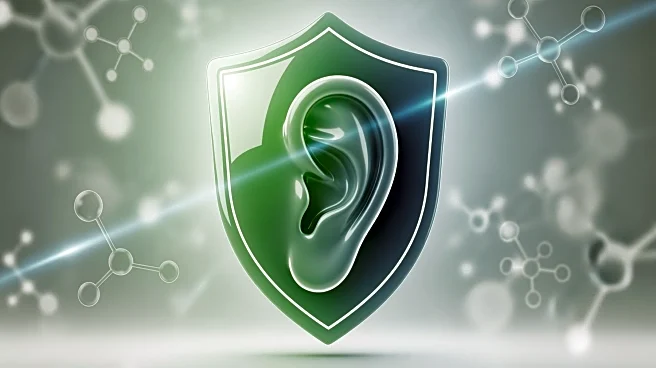

Immunization is a powerful tool in the fight against hearing loss, especially in children. By preventing infections that can lead to hearing impairment, vaccines play a crucial role in maintaining auditory
health. This article delves into the specific vaccines that help prevent hearing loss and their importance in public health.
Vaccines Against Rubella and Congenital Hearing Loss
One of the primary vaccines that help prevent hearing loss is the rubella vaccine. Rubella, also known as German measles, can cause congenital rubella syndrome when contracted by pregnant women. This syndrome can lead to severe hearing impairment in newborns. By vaccinating against rubella, the risk of congenital hearing loss is significantly reduced.
The rubella vaccine is typically administered as part of the MMR (measles, mumps, and rubella) vaccine. This combination vaccine is given to children in two doses, the first at 12-15 months and the second at 4-6 years. By ensuring that children receive the MMR vaccine, parents can protect them from infections that could lead to hearing loss.
Preventing Meningitis-Related Hearing Loss
Vaccines against H. influenza and S. pneumoniae are also critical in preventing hearing loss. These bacteria can cause meningitis, an infection of the protective membranes covering the brain and spinal cord. Meningitis can lead to severe complications, including hearing loss.
The Hib (Haemophilus influenzae type b) vaccine and the pneumococcal vaccine are effective in preventing these infections. The Hib vaccine is usually given to infants starting at two months of age, while the pneumococcal vaccine is administered in a series of doses during infancy and early childhood. By preventing meningitis, these vaccines help protect children from potential hearing impairment.
The Importance of Widespread Immunization
The World Health Organization (WHO) emphasizes the importance of widespread immunization to prevent hearing loss. In addition to the vaccines mentioned, the WHO recommends immunization against measles and mumps, both of which can also lead to hearing impairment.
Public health campaigns and education efforts are essential in promoting the importance of vaccines in preventing hearing loss. By increasing awareness and access to immunization, communities can reduce the incidence of hearing impairment and improve overall health outcomes.
In summary, immunization is a vital component in preventing hearing loss, particularly in children. By protecting against infections like rubella and meningitis, vaccines help maintain auditory health and prevent the long-term consequences of hearing impairment.