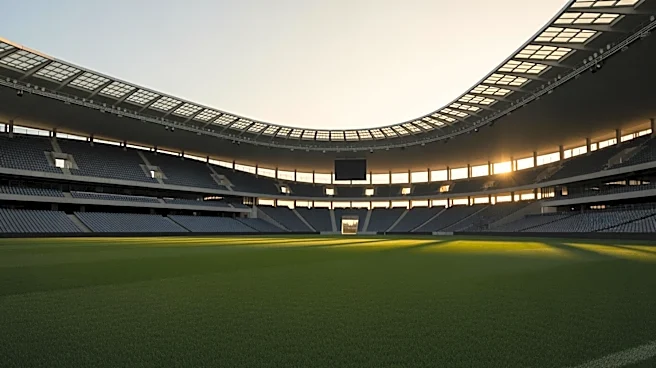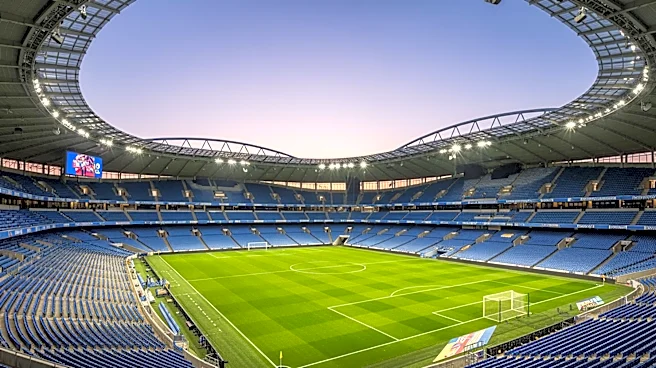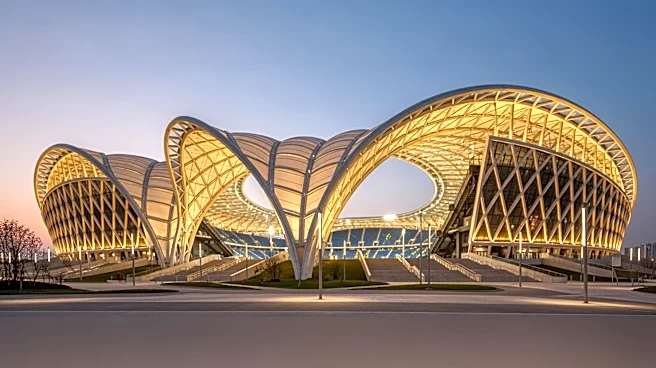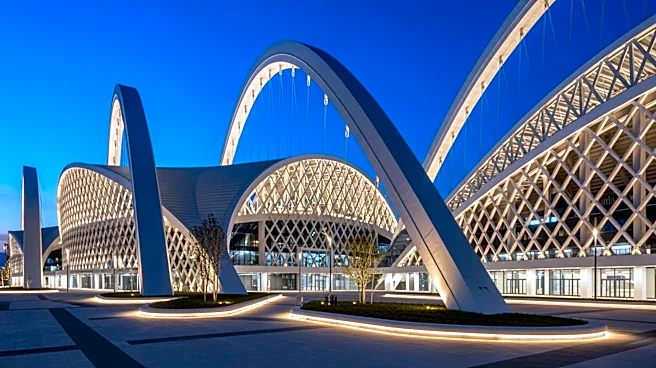

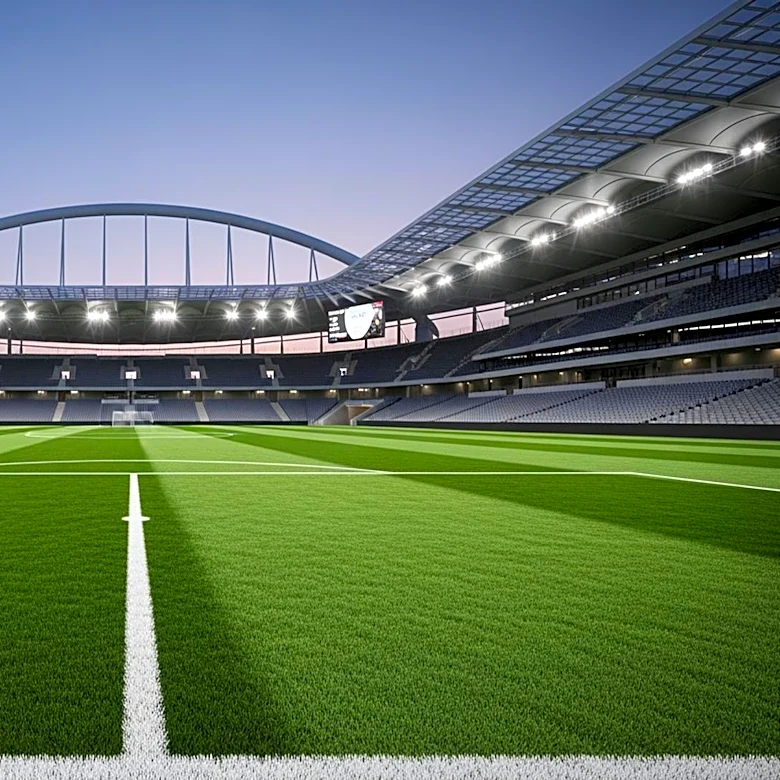
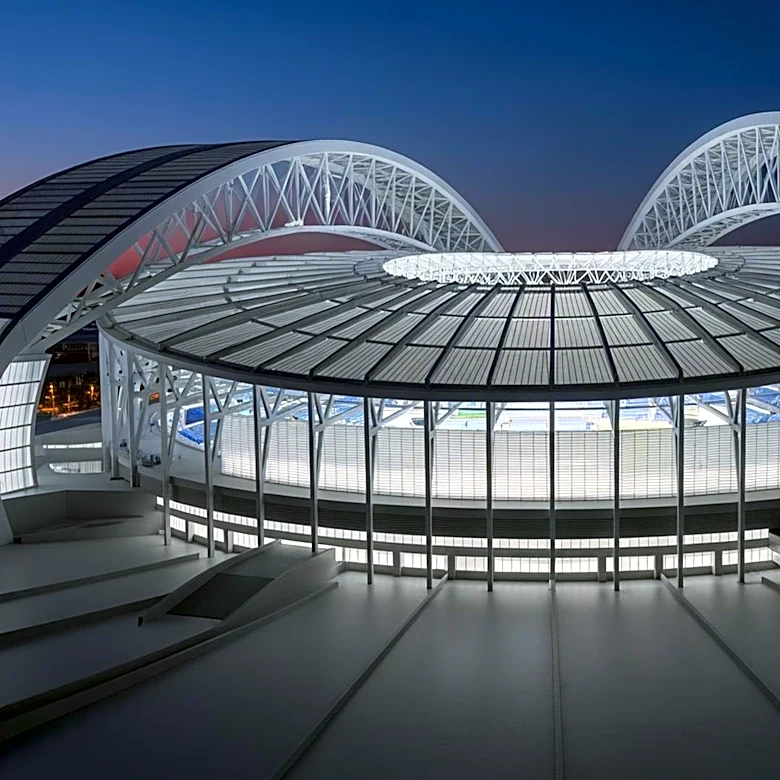
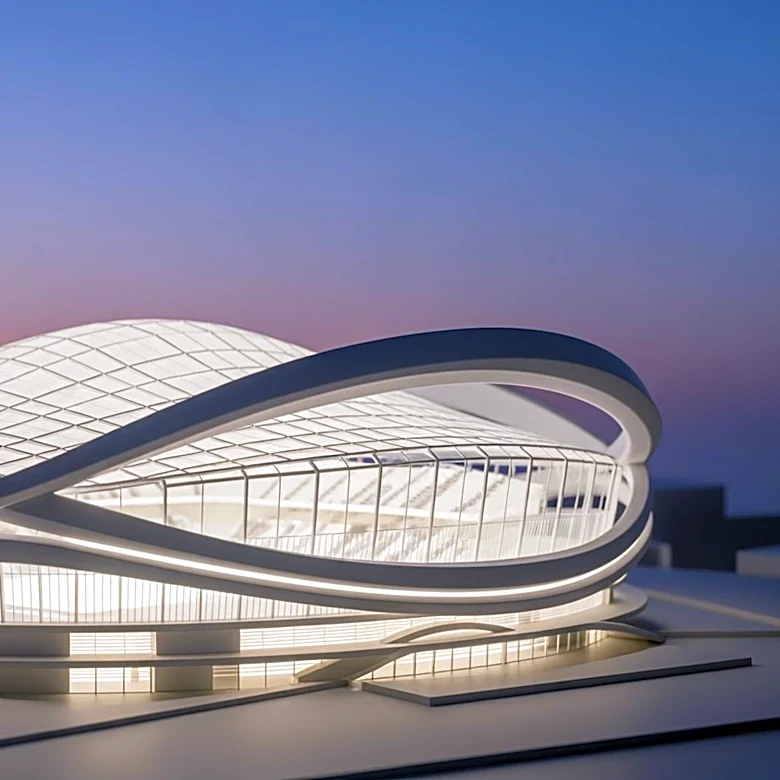



Mineirão Stadium, officially known as Estádio Governador Magalhães Pinto, stands as a testament to architectural ingenuity and engineering prowess. Located in Belo Horizonte, Brazil, this stadium has been a central hub for football and other events since its inauguration in 1965. Designed by Eduardo Mendes Guimarães Júnior and Caspar Garreto, the stadium's construction involved a team of skilled architects and engineers who overcame numerous challenges
to bring this iconic structure to life.
Design and Planning
The planning of Mineirão Stadium was a meticulous process that involved several key figures. Eduardo Mendes Guimarães Júnior and Caspar Garreto were the architects responsible for the stadium's design, while engineer Arthur Eugênio Jermann undertook the structural project. The construction was directed by engineer Gil Cesar Moreira de Abreu, who managed a workforce of approximately five thousand people from 1963 until the stadium's opening in 1965. The design aimed to accommodate up to 100,000 visitors, making it one of the largest stadiums in Brazil at the time.
The architects drew inspiration from other major stadiums, including Maracanã, to ensure that Mineirão would not suffer from similar structural weaknesses. Gil Cesar Moreira de Abreu even traveled to Tokyo to observe new stadium construction techniques during the 1964 Summer Olympics. This attention to detail and commitment to quality helped establish Mineirão as a point of reference for Brazilian engineering.
Construction Challenges
The construction of Mineirão was fraught with financial challenges and logistical hurdles. The initial loan of ₢100 million was quickly consumed during the foundation works, leading to a year and a half of slow progress with limited equipment and a reduced workforce. Despite these setbacks, the team managed to adapt the project to its fragile financial situation, ensuring that construction continued.
One of the main challenges was building the superstructure, a pseudo-ellipse with a major axis of 275 meters and a minor axis of 217 meters, using conventional equipment. To test the design, the builders created an experimental sector known as "mini-Mineirão," where a section of the stands and roof was subjected to various tests. This innovative approach allowed the team to overcome uncertainties and proceed with construction.
Legacy and Impact
Mineirão Stadium has left a lasting impact on Brazilian sports and architecture. Its construction techniques were considered advanced for the time, and the stadium has hosted numerous significant events, including the 2014 FIFA World Cup and the 2016 Summer Olympics. The stadium's design and construction set a new standard for large-scale sports venues in Brazil.
Today, Mineirão continues to be a vital part of Belo Horizonte's cultural and sporting landscape. Its architectural legacy serves as a reminder of the vision and determination of those who brought this iconic stadium to life, making it a cherished landmark in the world of football.