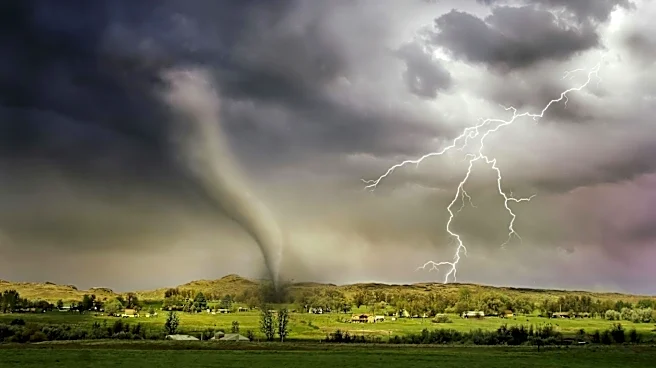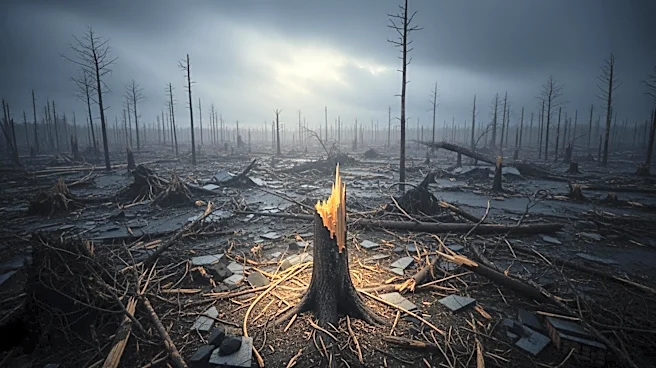






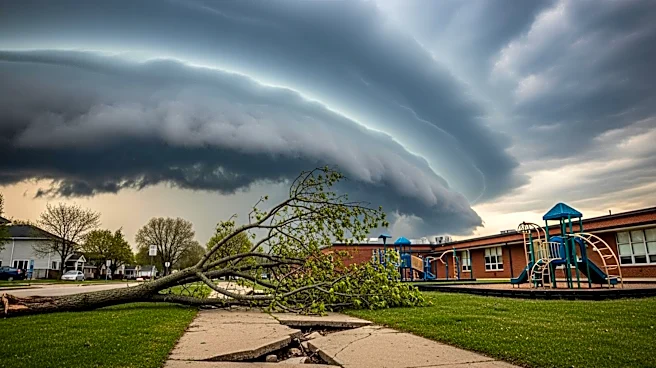
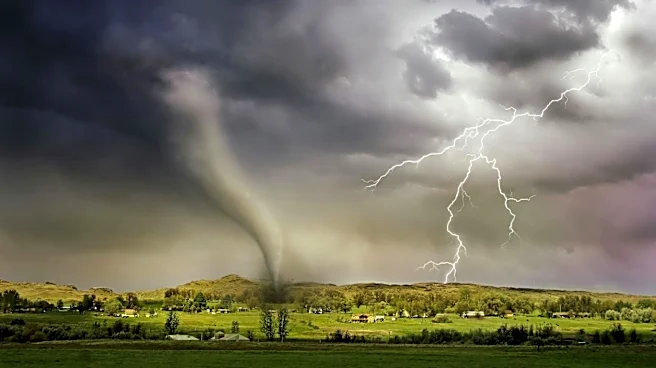
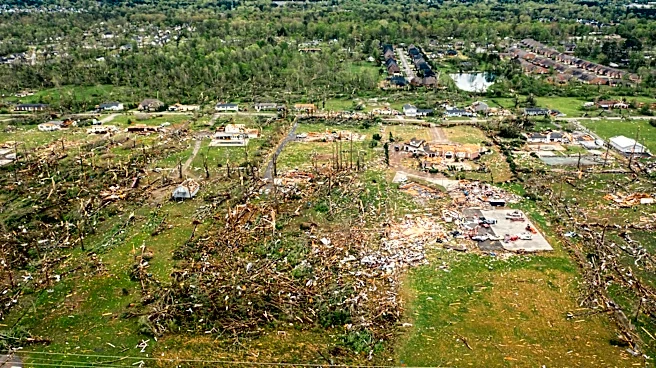
The Joplin tornado of May 22, 2011, was a devastating event that tested the resilience of the Joplin community. Despite the immense destruction and loss of life, the people of Joplin demonstrated remarkable strength and determination in the face of adversity. This article explores the community's response to the disaster and the resilience that emerged in the aftermath.
Immediate Community Response
In the immediate aftermath of the tornado, the Joplin community rallied together
to support one another. Neighbors helped neighbors, and volunteers from surrounding areas arrived to assist in the recovery efforts. The sense of community was palpable as people worked tirelessly to clear debris, provide food and shelter, and offer emotional support to those affected.
Local organizations and churches played a crucial role in coordinating relief efforts, providing essential services to those in need. The outpouring of support from both within and outside the community was a testament to the strength and solidarity of the people of Joplin. Despite the challenges, the community's response was characterized by compassion and a shared commitment to rebuilding.
Long-term Recovery and Rebuilding
The long-term recovery process in Joplin was a testament to the community's resilience. In the years following the tornado, residents worked together to rebuild their homes, businesses, and lives. The rebuilding efforts were supported by federal and state assistance, as well as donations from individuals and organizations across the country.
The community's determination to rebuild was evident in the construction of new homes, schools, and infrastructure. The recovery process was not just about physical reconstruction but also about healing and fostering a sense of hope and renewal. The resilience of the Joplin community was a driving force behind the successful recovery efforts.
Lessons in Resilience and Preparedness
The Joplin tornado served as a powerful reminder of the importance of community resilience and preparedness. The experiences of the Joplin community have informed disaster response strategies, emphasizing the need for strong community networks and effective communication in times of crisis.
The lessons learned from the Joplin tornado have been shared with other communities, helping to improve disaster preparedness and response efforts nationwide. The resilience demonstrated by the people of Joplin serves as an inspiration to communities facing similar challenges, highlighting the power of unity and determination in overcoming adversity.
As Joplin continues to rebuild and grow, the community's resilience remains a defining characteristic, ensuring that the city is better prepared for future challenges and continues to thrive in the face of adversity.