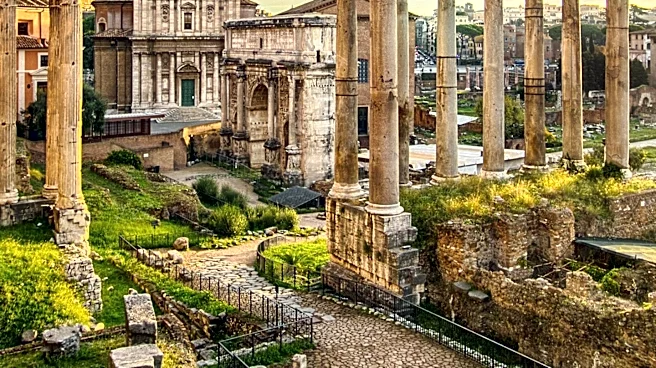








The 1960 Summer Olympics marked a significant moment in sports history, with Rome, Italy, emerging as the host city. This decision was the result of a competitive selection process that saw Rome triumph over several other cities. The journey to becoming the host city was not without its challenges and surprises, reflecting the complexities of Olympic planning and international sports diplomacy.
The Selection Process
On June 15, 1955, the International Olympic Committee
(IOC) convened in Paris, France, to decide the host city for the 1960 Summer Olympics. Rome was among several contenders, including Brussels, Mexico City, Tokyo, Detroit, Budapest, and Lausanne. The selection process was rigorous, with each city presenting its case to the IOC members. Rome's bid was compelling enough to secure the majority of votes, allowing it to emerge victorious in this competitive field.
The decision to award the Games to Rome was not just about the city's infrastructure or its ability to host a large-scale event. It was also a nod to Italy's rich cultural heritage and its historical significance in the world of sports. The selection process highlighted the importance of a city's global image and its potential to enhance the Olympic brand.
Challenges and Controversies
The path to hosting the Olympics was not smooth for Rome. Initially, Toronto was also in the running but was automatically disqualified after failing to submit the necessary paperwork on time. This oversight was attributed to the untimely death of the Toronto bid's chief organizer, Robert Hood Saunders, in a plane crash. This incident underscored the unpredictable nature of the bidding process and the high stakes involved.
Rome's selection was also a strategic move by the IOC, as it sought to balance the hosting of the Games between different continents. The decision to award the Games to a European city after Melbourne hosted in 1956 was part of a broader strategy to maintain global interest and participation in the Olympics.
The Impact of Rome's Selection
Rome's successful bid for the 1960 Olympics had lasting impacts on the city and the Olympic movement. It set a precedent for future host cities, emphasizing the need for comprehensive planning and international cooperation. The Games in Rome were notable for their organization and the introduction of new technologies, such as the first live television broadcast of the Olympics in North America.
The selection of Rome also paved the way for future Olympic hosts, with Tokyo and Mexico City hosting the subsequent Games in 1964 and 1968, respectively. These decisions reflected the IOC's commitment to spreading the Olympic spirit across the globe, fostering a sense of unity and shared purpose among nations.