
The Battle of Manila Bay, fought on May 1, 1898, was a turning point in Philippine history. This naval engagement between the American and Spanish forces marked the end of Spanish colonial rule and the beginning
of American influence in the Philippines. The battle's outcome had profound implications for the region's political landscape and the future of its people.
The End of Spanish Colonial Rule
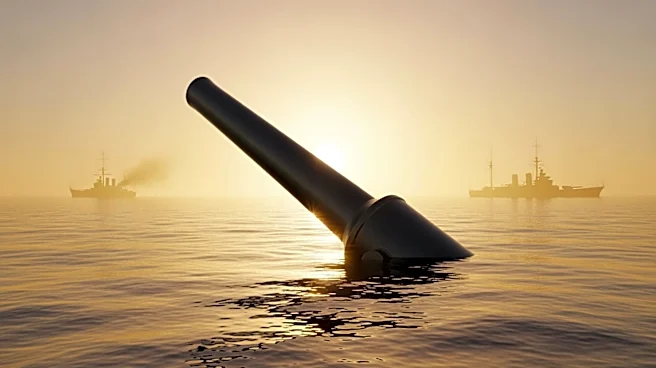
For over three centuries, the Philippines had been under Spanish control. The Battle of Manila Bay effectively ended this era, as the defeat of the Spanish fleet signaled the collapse of Spanish authority in the region. The battle was one of the most decisive naval engagements in history, showcasing the overwhelming power of the American navy.
The Spanish forces, led by Contraalmirante Patricio Montojo, were ill-equipped to face the modern American fleet. Despite their efforts to defend Manila Bay, the Spanish ships were quickly overwhelmed by the superior firepower and tactics of Commodore George Dewey's squadron. The sinking of the Spanish fleet marked the end of Spanish colonial ambitions in the Philippines.
The Rise of American Influence
With the victory at Manila Bay, the United States established itself as a dominant force in the Philippines. The battle paved the way for American troops to seize Manila, further solidifying U.S. control over the archipelago. This shift in power marked the beginning of American influence in the region, which would last for several decades.
Dewey's triumph was celebrated in the United States, and his leadership was recognized with promotions and honors. The battle demonstrated the effectiveness of American naval power and set the stage for the U.S. to expand its presence in the Pacific. The Philippines became a strategic location for American interests, influencing the country's political and economic development.
Long-Term Effects on the Philippines
The transition from Spanish to American rule had significant implications for the Philippines. While the end of Spanish colonialism was welcomed by many, the new American administration brought its own challenges. The Philippines faced a period of adjustment as it navigated the complexities of American governance and influence.
The battle also inspired Filipino leaders like Emilio Aguinaldo to continue their fight for independence. Aguinaldo, returned from exile by Dewey, sought to establish a sovereign nation free from foreign control. The Battle of Manila Bay thus became a catalyst for the Philippine Revolution, shaping the country's path towards self-determination.
In conclusion, the Battle of Manila Bay was a pivotal event that reshaped the political landscape of the Philippines. It marked the end of Spanish colonial rule and the beginning of American influence, setting the stage for the country's future development and its struggle for independence.