




Elastin is a crucial protein that plays a significant role in the human body, providing elasticity to various tissues. This protein is encoded by the ELN gene and is a key component of the extracellular matrix in jawed vertebrates. Elastin's unique properties allow tissues to stretch and return to their original shape, making it essential for the proper functioning of several bodily systems.
Elastin's Function in the Body
Elastin is primarily found in connective tissues, where it
contributes to the elasticity and resilience of these structures. It is particularly abundant in the skin, blood vessels, and lungs, where its ability to stretch and recoil is vital. In the skin, elastin helps maintain firmness and elasticity, allowing it to return to its original position after being stretched or pinched. This property is crucial for the skin's ability to withstand various physical stresses and maintain its structural integrity.
In the cardiovascular system, elastin is a major component of large elastic blood vessels, such as the aorta. Here, it plays a critical role in maintaining blood pressure and facilitating blood flow by allowing the vessels to expand and contract with each heartbeat. This elasticity helps to absorb the mechanical energy generated by the heart's pumping action, ensuring smooth and efficient circulation throughout the body.
The Mechanism of Elastic Recoil
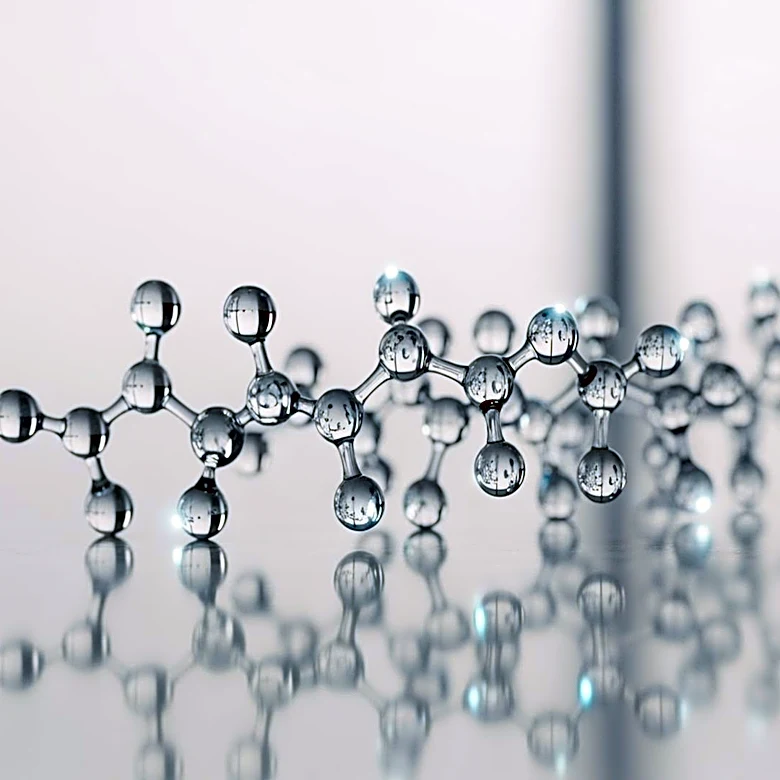
The unique properties of elastin are attributed to its molecular structure, which is rich in hydrophobic amino acids like glycine and proline. These amino acids form mobile hydrophobic regions that are crosslinked by lysine residues, creating a network that can stretch and recoil. The elasticity of elastin is driven by an entropy-driven mechanism, where the conformational disorder of the protein allows it to return to its original shape after being stretched.
This mechanism is essential for the proper functioning of tissues that undergo frequent stretching and contracting, such as the lungs. In the respiratory system, elastin allows the lungs to expand and contract during breathing, facilitating efficient gas exchange and maintaining respiratory function.
Clinical Significance of Elastin
Mutations or deletions in the ELN gene can lead to various medical conditions, highlighting the importance of elastin in human health. Conditions such as supravalvular aortic stenosis and cutis laxa are associated with defects in elastin, leading to compromised tissue elasticity and function. Other disorders linked to elastin abnormalities include Marfan syndrome, emphysema, and atherosclerosis.
Understanding the role of elastin in these conditions can provide insights into potential therapeutic approaches and improve the management of diseases related to connective tissue dysfunction. As research continues, the significance of elastin in maintaining the structural and functional integrity of the human body becomes increasingly evident.