
The discovery of 4 Vesta marked a significant milestone in the study of our solar system. As one of the largest asteroids, Vesta has intrigued astronomers since its discovery in the early 19th century. This article delves into the historical context of Vesta's discovery and its significance in the field of astronomy.
The Early 19th Century and Astronomical Discoveries
In the early 1800s, the field of astronomy was rapidly evolving. The discovery of new celestial bodies was a common occurrence, driven
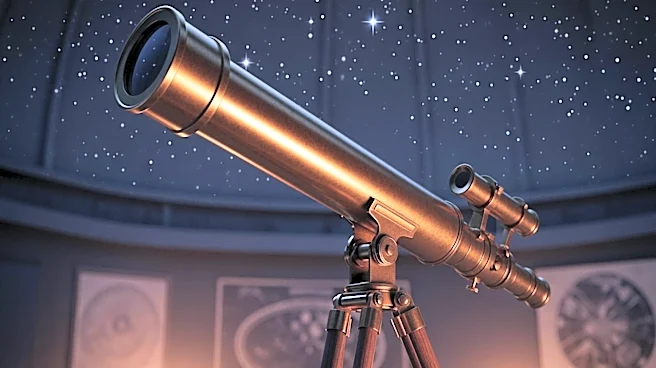
by advancements in telescopic technology and a growing interest in the cosmos. It was during this period that Heinrich Wilhelm Olbers, a German astronomer, made a groundbreaking discovery. On March 29, 1807, Olbers identified 4 Vesta, the fourth asteroid to be discovered, from his observatory in Bremen.
Olbers was not new to the discovery of asteroids. In 1802, he had already discovered Pallas, another significant asteroid. His work was part of a broader effort by astronomers to map and understand the asteroid belt, a region of space between Mars and Jupiter filled with rocky bodies. The discovery of Vesta added to the growing list of known asteroids and highlighted the complexity of our solar system.
Naming and Significance of 4 Vesta
The naming of 4 Vesta was an interesting process. After its discovery, Olbers passed the honor of naming the asteroid to Carl Friedrich Gauss, a prominent mathematician and astronomer. Gauss chose the name Vesta, after the Roman goddess of home and hearth, reflecting the tradition of naming celestial bodies after mythological figures. This choice underscored the cultural and historical significance of astronomy during that era.
Vesta's discovery was more than just an addition to the list of known asteroids. It represented a deeper understanding of the solar system's structure. At the time, the discovery of asteroids like Vesta challenged existing notions of planetary formation and distribution. It prompted further study into the nature of these bodies and their role in the solar system.
Vesta's Place in the Asteroid Belt
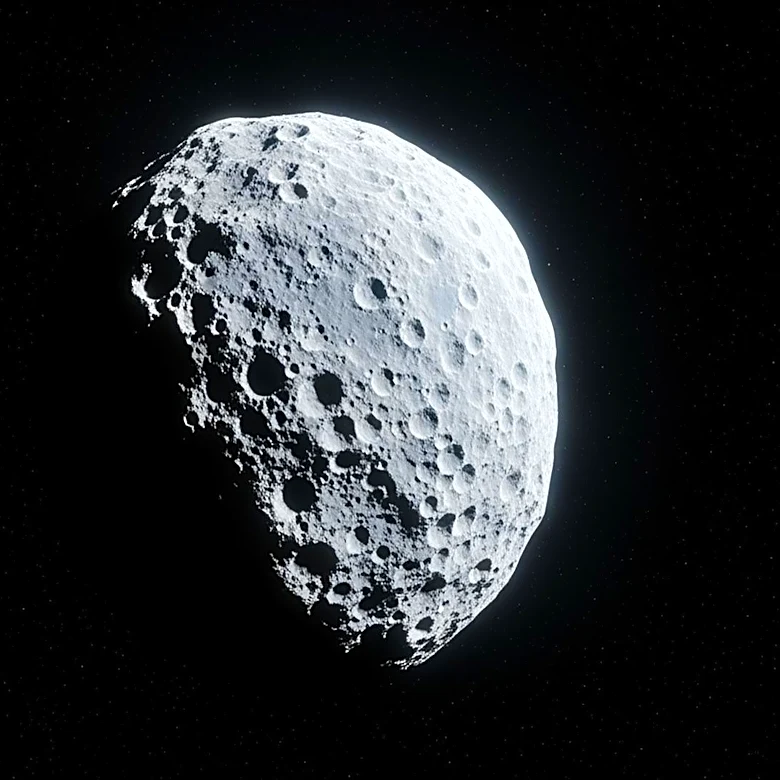
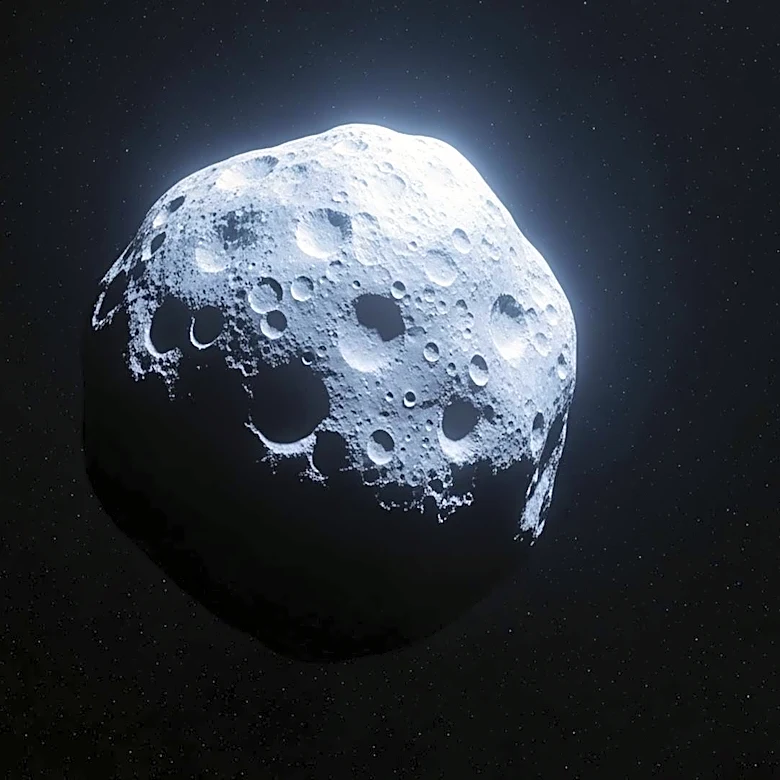
Vesta is part of the main asteroid belt, a region that has fascinated astronomers for centuries. With a mean diameter of about 525 kilometers, Vesta is the second-largest body in the asteroid belt, surpassed only by the dwarf planet Ceres. Its size and brightness make it one of the most visible asteroids from Earth, often observable with the naked eye.
The study of Vesta has provided valuable insights into the composition and history of the asteroid belt. Its relatively large size and unique characteristics have made it a subject of interest for space missions and scientific research. Understanding Vesta helps astronomers piece together the history of our solar system and the processes that shaped it.
In conclusion, the discovery of 4 Vesta was a pivotal moment in the history of astronomy. It not only expanded our knowledge of the solar system but also highlighted the importance of continued exploration and study of celestial bodies. Vesta remains a key object of study, offering clues about the early solar system and the formation of planetary bodies.