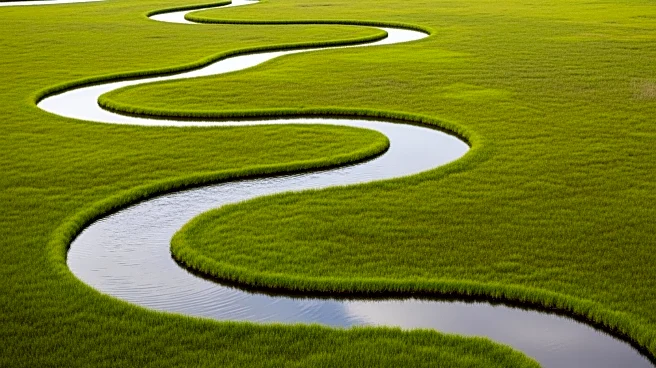

Water is the lifeblood of the Everglades, a vast and unique ecosystem in southern Florida. The slow-moving waters of the Everglades, often referred to as the "River of Grass," play a crucial role in shaping
the landscape and supporting the diverse array of plant and animal life found within the park. This article explores the significance of water in the formation and maintenance of the Everglades ecosystem.
The River of Grass
The Everglades is characterized by its slow-moving waters, which flow from Lake Okeechobee southwest into Florida Bay. This flow, known as sheetflow, is a defining feature of the Everglades, creating a vast network of wetlands and forests. The water moves at a leisurely pace, traveling approximately 0.25 miles per day, allowing it to shape the landscape over time.
The sheetflow is responsible for the formation of various ecosystems within the Everglades, including freshwater sloughs, marl prairies, and mangrove forests. These ecosystems are interconnected, with water serving as the common thread that sustains them. The slow movement of water also allows for the accumulation of peat and marl, which are essential for the growth of vegetation and the support of wildlife.
Water and Biodiversity
The presence of water in the Everglades is vital for maintaining the region's rich biodiversity. The park is home to a wide variety of species, including 350 species of birds, 300 species of fish, and numerous reptiles and mammals. Many of these species rely on the park's aquatic habitats for survival, making the health of the water system critical to their continued existence.
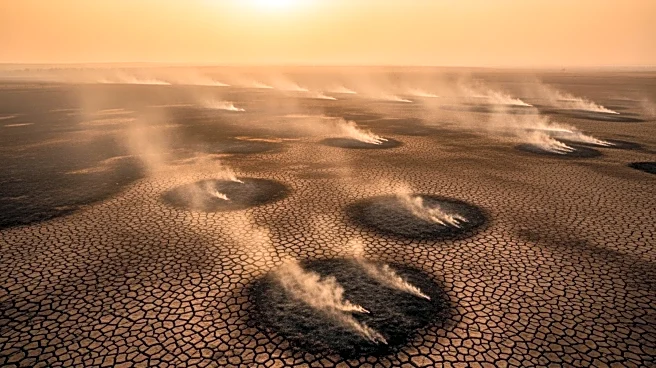
Water levels in the Everglades fluctuate with the seasons, creating a dynamic environment that supports a diverse range of plant and animal life. During the wet season, the park's sloughs and prairies are flooded, providing ample habitat for aquatic species. In the dry season, water levels recede, concentrating fish and other prey in smaller areas, which in turn attracts wading birds and other predators.
Challenges and Conservation
Despite its importance, the water system in the Everglades faces numerous challenges. Human activity, including urban development and water diversion, has significantly altered the natural flow of water, leading to habitat degradation and a decline in biodiversity. Additionally, invasive species and pollution pose further threats to the health of the water system.
Efforts to restore and protect the Everglades' water system are ongoing, with initiatives aimed at restoring natural water flow and improving water quality. By addressing these challenges, conservationists hope to preserve the unique ecosystems and biodiversity of the Everglades for future generations.